declutter your life
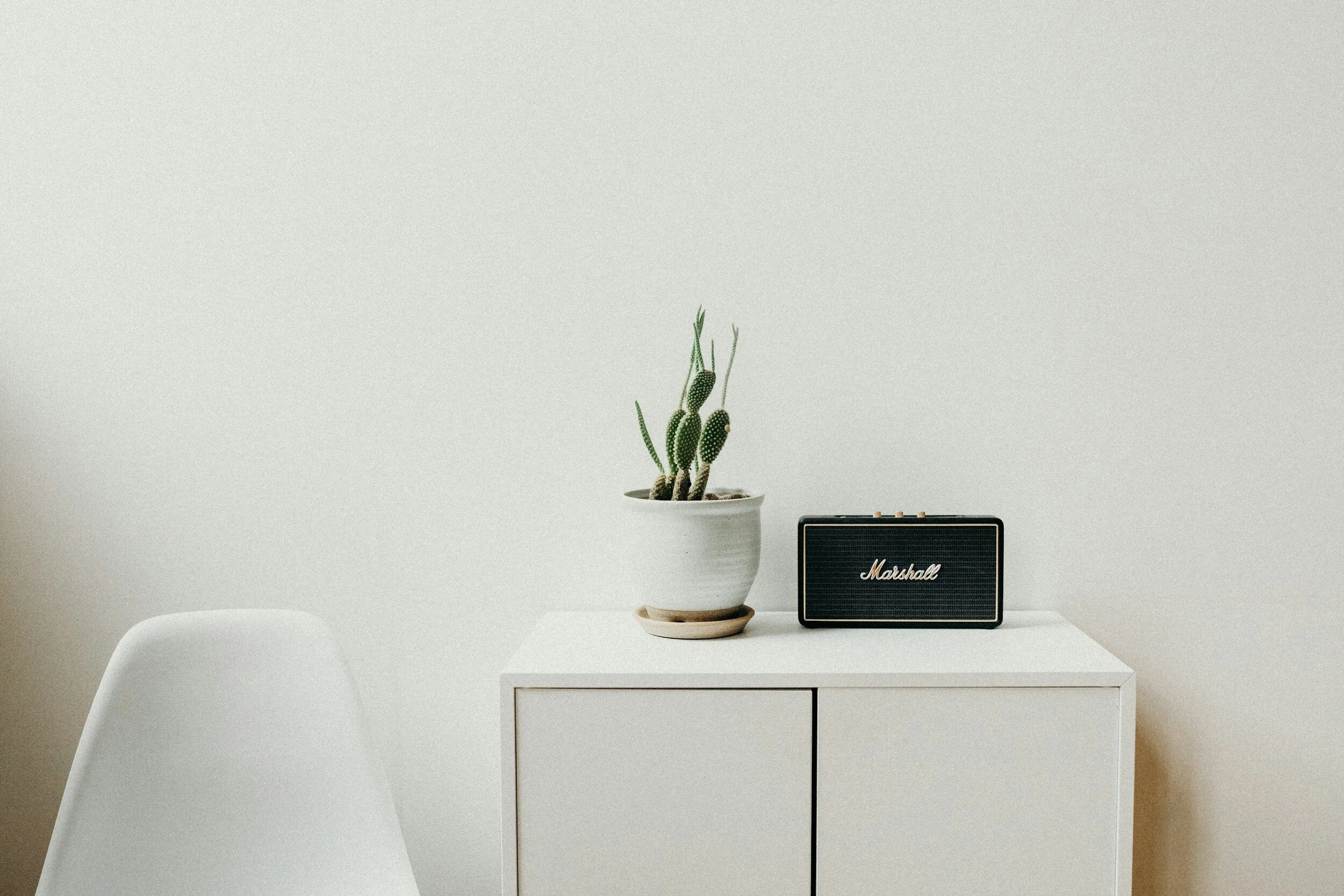
Imagine waking up in the morning and walking into a clutter-free space. The air is fresh, the surfaces are clear, and there's a sense of calmness that washes over you. Decluttering your space is not just about removing physical items, but it's also about creating a sanctuary that nurtures your mental and emotional well-being. By decluttering, you open yourself up to a world of benefits that go beyond just having a clean space.
For me, the most important aspect of decluttering is how it frees up your mind. When your space is filled with unnecessary items, your mind becomes overwhelmed and cluttered as well. By taking the time to sort through your belongings and letting go of things you no longer need or use, you create mental clarity. A clutter-free space allows you to focus better, enhances your creativity, and reduces stress levels. Your mind can function optimally, leading to increased productivity and a greater sense of fulfillment in all areas of your life.
Mental clutter refers to the accumulation of thoughts, ideas, and information in one's mind that can potentially hinder mental clarity and productivity. This can manifest as excessive worrying, overthinking, inability to focus, feeling overwhelmed, and difficulty making decisions. Mental clutter can be caused by various factors such as stress, multitasking, information overload, and negative thinking patterns. It is important to reduce mental clutter through practices like mindfulness, organizing and prioritizing tasks, and practicing self-care to promote a clear and focused mindset.
Where to start with mental clutter:
Practice mindfulness:
Being present and fully engaged in the present moment can help reduce mental clutter. Focus on the task at hand and let go of distractions and thoughts that are not relevant to the current moment.
Declutter your physical space:
Physical clutter can contribute to mental clutter. Take time to organize your living and working spaces, getting rid of anything that is no longer needed or useful. This can help create a more peaceful and clear space for your mind.
Prioritize tasks:
Feeling overwhelmed with a long to-do list can create mental clutter. Prioritize your tasks and focus on completing them one at a time. Breaking tasks down into smaller, manageable steps can also help reduce mental clutter and increase productivity.
Streamline your schedule:
Having a jam-packed schedule can lead to mental overwhelm. Evaluate your commitments and consider what is truly important to you. Learn to say no to things that do not align with your priorities and make time for self-care and relaxation.
Practice meditation or deep breathing exercises:
These techniques can help calm the mind and allow thoughts to come and go without attaching to them or getting caught up in them. Regularly incorporating these practices into your routine can help reduce mental clutter and improve overall well-being.
Limit exposure to digital distractions:
Constant notifications and information overload from social media, emails, and news can clutter the mind. Set boundaries for your online activities and allocate specific times to check and respond to messages. Consider taking regular breaks from technology to allow your mind to recharge.
Practice gratitude:
Focusing on gratitude can shift your mindset to a more positive and clutter-free state. Each day, take a moment to reflect on the things you are grateful for. This can help bring clarity and perspective, reducing mental clutter.
Journaling:
Writing down your thoughts and feelings can help declutter your mind. Take some time each day to jot down any thoughts or concerns you may have. This can help you gain clarity and perspective, as well as identify any recurring patterns of mental clutter.

Decluttering your space also saves you valuable time and energy. How many times have you wasted precious moments searching for something in a cluttered drawer? By decluttering, you create an organized environment where everything has a designated place. This simplifies your daily routines and allows you to find what you need quickly and effortlessly.
Cleaning becomes much easier when there are fewer items to dust or move around. With less time spent on tidying up, you can invest that time in doing things you truly enjoy or pursuing your passions.
A clutter-free space promotes overall well-being. Physical clutter often leads to mental clutter, causing feelings of anxiety and overwhelm. By decluttering, you reduce these negative emotions, boost your mood and create a peaceful and harmonious environment. When you enter a clutter-free space, your stress levels decrease, allowing you to fully relax and recharge. This not only benefits your mental health but also positively impacts your physical health. Studies have shown that living in cluttered environments can lead to increased cortisol levels, which affects sleep patterns, appetite, and overall well-being. Removing the excess brings about a feeling of tranquility, enhancing your overall quality of life.
Decluttering your space allows you to give back and make a difference. As you declutter, you inevitably come across items you no longer need but are still in good condition. By donating them to charitable organizations or giving them to those in need, you contribute to a more sustainable and compassionate society. Decluttering becomes an act of self-care
some of the benefits of decluttering include
〰️
some of the benefits of decluttering include 〰️
Improved physical and mental well-being:
A cluttered home can create a stressful environment, affecting your mental health. By decluttering, you create a cleaner and organized space, promoting a calmer and more relaxed atmosphere. Additionally, decluttering involves physical activity, which can also contribute to improved physical well-being.
Increased productivity and focus:
A clutter-free home allows you to focus better and be more productive. With fewer distractions, you can concentrate on tasks and activities more effectively, leading to increased efficiency and accomplishment.
Enhanced creativity:
A cluttered space can stifle creativity and hinder innovative thinking. By decluttering, you provide yourself with a clear and inspiring environment that promotes creativity and helps generate new ideas.
More efficient cleaning:
A clutter-free home is easier to clean and maintain. Without piles of unnecessary items, dust and dirt are reduced, making cleaning routines quicker and more efficient.
Time and money savings:
When your home is cluttered, it is more challenging to find things quickly, leading to wasted time searching for misplaced items. By decluttering, you save time and avoid frustration. Additionally, decluttering allows you to assess your possessions, preventing unnecessary purchasing and saving money in the long run.
Improved sleep quality:
A tidy and organized bedroom can contribute to a better night's sleep. Removing clutter from your sleeping area creates a more peaceful and soothing environment, allowing for better rest and rejuvenation.
Enhanced safety:
Cluttered spaces can increase the risk of accidents and injuries due to tripping hazards or blocked pathways. By decluttering, you create a safer living environment for both you and your family.
Positive impact on relationships:
A cluttered home can lead to tension and arguments among family members or roommates. Decluttering promotes harmony and reduces stress within relationships, as everyone benefits from a clean and organized living space.
Increased pride and self-esteem
A tidy and clutter-free home can boost your self-esteem and give you a sense of pride in your living space. It showcases your ability to maintain order and organization, which can positively impact your overall self-confidence.

I have experience being the person to clean loved one’s homes when they became ill or after they died. When you are already overwhelmed with your grief it adds an extra layer of stress to take on this role. Death cleaning, or "döstädning" in Swedish, is a profound and insightful practice aimed at extensively decluttering and meticulously organizing your possessions as a way of preparing for the inevitable end of life.
This method involves proactively and practically taking charge of your belongings and creating a pristine and well-organized space for the sake of loved ones left behind. The act of death cleaning not only relieves the weight on family members' shoulders during their time of grieving but also presents individuals with a unique opportunity to reflect on their lives, detach from unnecessary possessions, and simplify their surroundings. By embracing the process of death cleaning, individuals can confidently ensure that their personal belongings are managed and handled in alignment with their utmost wishes, simplifying the task of settling their estate and providing immeasurable ease for their cherished loved ones. You don’t need to be unwell to start this practice. I keep other people in mind, aware that every item I bring into the house will become work for someone else if I do die unexpectedly.
Where to start with physical clutter:
Set goals:
Determine what you want to achieve through decluttering. Do you want a more organized space? More free time? A clearer mind? Setting goals will help you stay motivated throughout the process.
Start small:
Trying to declutter an entire room or house in one go may feel overwhelming. Start with smaller, manageable areas, such as a closet, a drawer, or a specific section of a room. This will give you a sense of accomplishment and encourage you to keep going.
Sort items:
Divide everything into three categories - keep, donate/sell, and throw away. Be honest with yourself about what you truly need and love, and let go of items that no longer serve a purpose or bring you joy.
Establish a system:
Create a system for organizing the items you are keeping. This could involve labeling boxes or bins, using storage solutions, or assigning specific spaces for different categories of items. Having an organized system will make it easier to maintain clutter-free spaces in the long run.
Take it one step at a time:
Decluttering is a process that takes time. Don't rush it or get overwhelmed. Dedicate a specific amount of time each day or week to work on decluttering, and gradually work through each area or room until you achieve your goal. Be patient with yourself.
Get rid of items promptly:
Once you have decided to donate, sell, or throw away items, make sure to do it as soon as possible. This will prevent items from lingering around and potentially reintegrating into your cluttered spaces.(I struggle with this step)
Be mindful of what you bring in:
Avoid impulse purchases and think twice before buying new items. Consider if they'll contribute to your clutter or if they're truly necessary. Adopting a mindful shopping approach will help prevent future clutter from accumulating.
Maintain decluttered spaces:
Regularly clean and organize your spaces to avoid clutter from building up again. Develop daily or weekly routines to tidying and decluttering parts of your home to keep it organized and minimize the effort needed in the future.