the practice of becoming
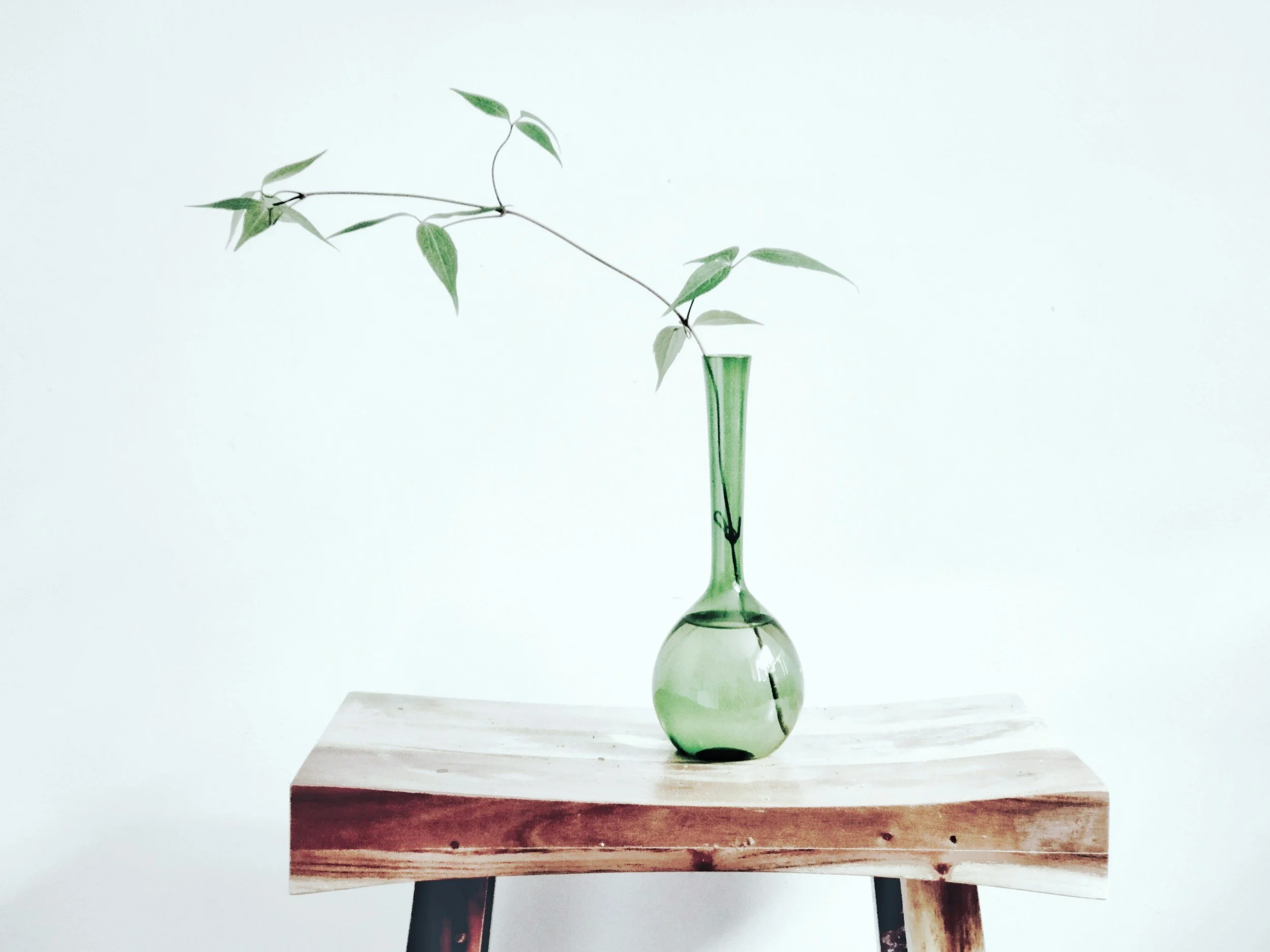
There is a phase in any process where nothing feels resolved yet.
The choices have been made.
The work has been done.
And still — there is uncertainty.
This is often the moment we mistake discomfort for error.
We wonder if we chose wrong.
If we should intervene.
If we missed something subtle but important.
If we should adjust, refine, correct.
But sometimes nothing is wrong.
Sometimes the process simply hasn’t finished unfolding.
The unsettled middle
In scent work, there is a moment I’ve learned not to rush.
In oil, a blend can feel incomplete. Certain notes feel louder than intended. Others seem almost absent. The balance feels uncertain — unresolved.
When wax is hot, that uncertainty often intensifies. Everything is in motion. Nothing has settled. The scent feels unfamiliar, sometimes even wrong.
And then the wax cools.
The blend sets.
Edges soften.
The structure reveals itself.
Sandalwood is a perfect example. It rarely announces itself early. It doesn’t rush forward or demand attention. In the beginning, it can seem quiet to the point of doubt.
And then, once everything rests, it becomes the thing that holds the entire composition together.
This is not a flaw of the material.
It’s the nature of it.
The mistake we make in life
We often expect clarity too early.
We want reassurance immediately — confirmation that we’ve made the right choice, chosen the right path, placed ourselves correctly. When that reassurance doesn’t arrive, we assume something needs fixing.
So we intervene.
We adjust prematurely.
We add effort where none is required.
We disturb what is still becoming.
But many of the most grounded outcomes don’t reveal themselves in the moment of action. They emerge later — once things have had time to settle, anchor, and integrate.
The discomfort we feel in the middle isn’t always a signal to act.
Sometimes it’s a signal to wait.
Trust as a practice
Trust isn’t passive. It isn’t sheer optimism.
Trust is an active decision to stand still when the impulse is to interfere.
It’s choosing not to rewrite something simply because it hasn’t resolved yet.
It’s allowing time to complete work that effort already began.
This is what I think of as the practice of becoming.
Not becoming through force or reinvention — but through patience, placement, and restraint.
Becoming asks us to:
• make thoughtful choices
• stop adjusting them too quickly
• allow materials, environments, and ourselves to settle into what we’ve already chosen
This is harder than it sounds.
Especially for capable people. Especially for those who are used to managing outcomes.
Where candlelight fits
This is why candlelight has always felt less like a practice and more like a permission.
You don’t light a candle to achieve something.
You don’t light it to optimize your evening or correct your state.
You light it — and the room changes.
The body responds without instruction.
The nervous system adjusts on its own timeline.
Nothing needs to be done correctly.
Nothing needs to be maintained.
The candle doesn’t rush the process.
It simply creates the conditions for settling.
In that way, candlelight mirrors the kind of trust we’re often being asked to practice elsewhere: the trust that what we’ve already set in motion knows how to finish its work.
Becoming is quieter than we expect
We’re often taught to look for becoming in visible change — new habits, new identities, new declarations.
But real becoming is usually subtle.
It looks like:
• resisting the urge to overcorrect
• letting something feel unfinished without abandoning it
• allowing meaning to arrive after the fact
• trusting that quiet things still have weight
It looks like patience without stagnation.
Movement without urgency.
Confidence without display.
Letting things resolve
Not everything needs refinement in the moment it feels uncertain.
Not everything needs to be named right away.
Not everything needs to prove itself immediately.
Some things — like sandalwood — only reveal their strength once everything else stands down.
The practice of becoming is learning to recognize those moments and choosing not to disturb them.
To let the wax cool.
To let the blend settle.
To let the calm that already exists finish forming.
That, too, is a form of devotion.
Not to outcomes.
Not to effort.
But to the quiet intelligence of process itself.