self-care theatre
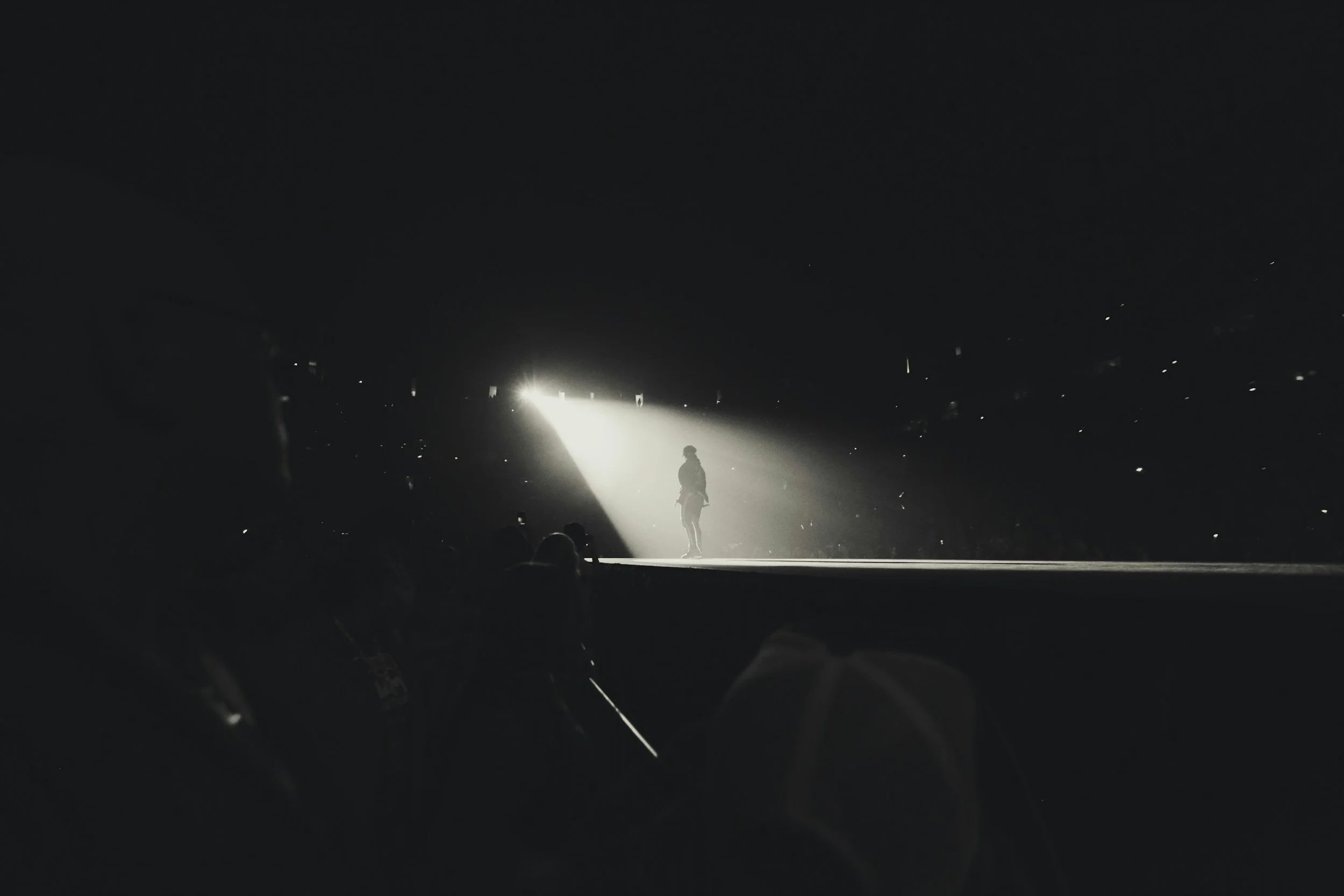
There is a version of care that looks very convincing from the outside.
It has props.
Lighting.
Routines.
Products arranged just so.
It photographs well.
It speaks fluently in checklists and “shoulds.”
It often arrives dressed as discipline.
And it is everywhere.
I’ve come to think of it as self-care theatre — not because it’s fake, but because it asks us to perform our care rather than receive it.
When care becomes another task
Self-care theatre doesn’t usually begin with bad intentions.
It often begins with exhaustion.
When we’re depleted, we look for something that promises relief. Something that says: Do this, and you’ll feel better.
So we add practices.
Morning routines.
Evening rituals.
Optimized habits.
Structured calm.
But quietly, something shifts.
Care becomes another responsibility.
Another thing to get right.
We start asking:
• Did I do it long enough?
• Did I do it properly?
• Did I keep up?
Instead of:
• Did this actually help?
The performance of “being well”

Self-care theatre often rewards visibility.
The things that count are the things that can be:
• shared
• tracked
• displayed
• narrated
What doesn’t get counted:
• the moment you stopped pushing
• the choice not to fix yourself
• the quiet evening where nothing happened
• the relief you didn’t post about
Care becomes externalized.
Something to show, not something to feel.
And for people who are already competent, responsible, and capable — this kind of care can be more draining than no care at all.
When calm is treated like an achievement

One of the most subtle harms of self-care theatre is that it frames calm as something to be earned.
As if rest must be justified.
As if softness requires preparation.
As if presence is a reward for productivity.
But calm isn’t a finish line.
It isn’t a state you unlock.
It isn’t something you manufacture through effort.
In many cases, calm is what remains when effort stops interfering.
What quiet care actually looks like
Real care is often unremarkable.
It doesn’t announce itself.
It doesn’t demand consistency.
It doesn’t escalate.
It looks like:
• choosing the easier option without explaining why
• letting a moment end instead of extracting meaning from it
• sitting in low light without optimizing the experience
• stopping one step earlier than usual
It looks like relief.
Not transformation.
Not transcendence.
Not a better version of yourself.
Just less friction.
Where candlelight fits (and where it doesn’t)

This is why candlelight has never felt like a “practice” to me.
You don’t light a candle to improve yourself.
You don’t light it to fix your nervous system.
You don’t light it to complete a ritual correctly.
You light it, and the room changes.
Your body responds on its own timeline.
Nothing is required of you.
There’s no performance to maintain.
No posture to hold.
No outcome to track.
It’s not self-care theatre.
It’s environmental permission.
A signal that effort can stand down.
Fewer practices. Fewer demands.
Lately, I’m less interested in adding new forms of care and more interested in asking a quieter question:
Where am I working harder than necessary?
Where am I performing calm instead of allowing it?
Where am I managing myself instead of trusting what already exists?
Not everything needs a ritual.
Some things need to be left alone.
The care that doesn’t ask for devotion
The most sustainable forms of care don’t require belief, consistency, or discipline.
They don’t need to be named.
They don’t need to be shared.
They don’t need to be repeated perfectly.
They simply create conditions where the system can settle.
Some rituals don’t ask for devotion.
They don’t demand attention.
They don’t ask you to become anything else.
They simply offer relief.
And sometimes, that’s the most radical form of care there is.