in defence of specificity
On sameness, algorithms, and the things that make us recognizable.
There is something strange happening in our digital spaces.
We are all being encouraged to stand out. Build a personal brand. Find your niche. Develop your voice. Differentiate yourself. Be memorable. Be authentic. And somehow, in the pursuit of all this individuality, we have begun to look remarkably alike.
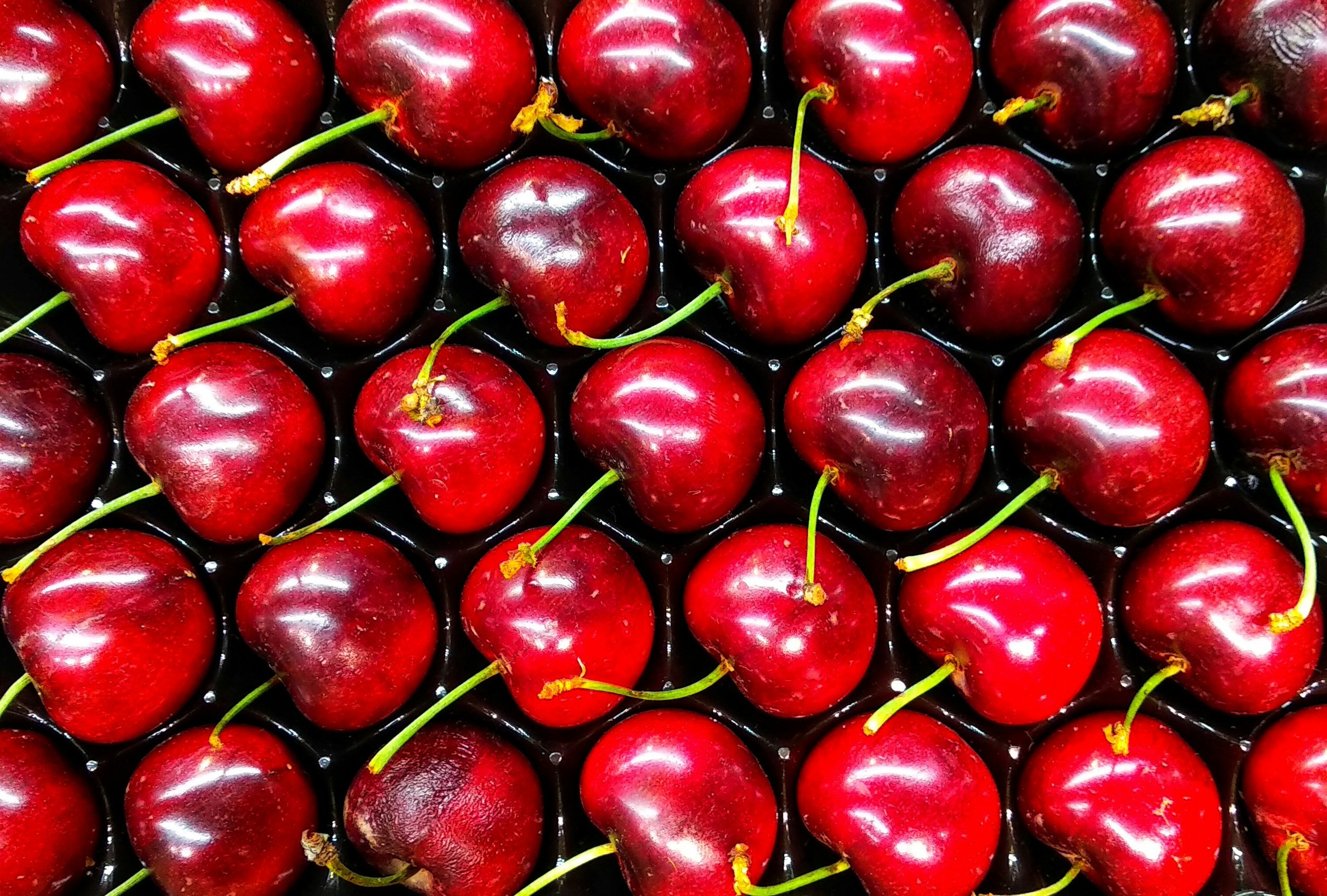
The same fonts appear across thousands of businesses that have nothing to do with one another. The same songs play beneath videos of morning coffee, new product launches, family vacations, skincare routines and somebody reorganizing a pantry. The same words appear in our captions.The same photographs sit on our mood boards.The same colours move through our homes and wardrobes and websites.The same hooks introduce our thoughts.The same editing styles tell us when something is beautiful.The same handful of aesthetics cycle through our digital lives until it becomes difficult to remember whether we actually liked something in the first place or simply saw it often enough that it began to feel like taste.
And none of this is particularly sinister.
That’s almost what makes it so interesting.
There wasn’t a meeting where we all agreed to become the same.It happened gradually.We watched.We learned.We adapted.Something performed well, so more people made it.The algorithm rewarded it, so we saw more of it.Seeing more of it made it feel desirable.Desirability created imitation.Imitation created familiarity.And familiarity taught the algorithm that this was exactly what we wanted.Around and around we went.Until somehow we arrived at a very peculiar moment in which everyone is being told to differentiate themselves using roughly the same instructions.
The architecture of sameness
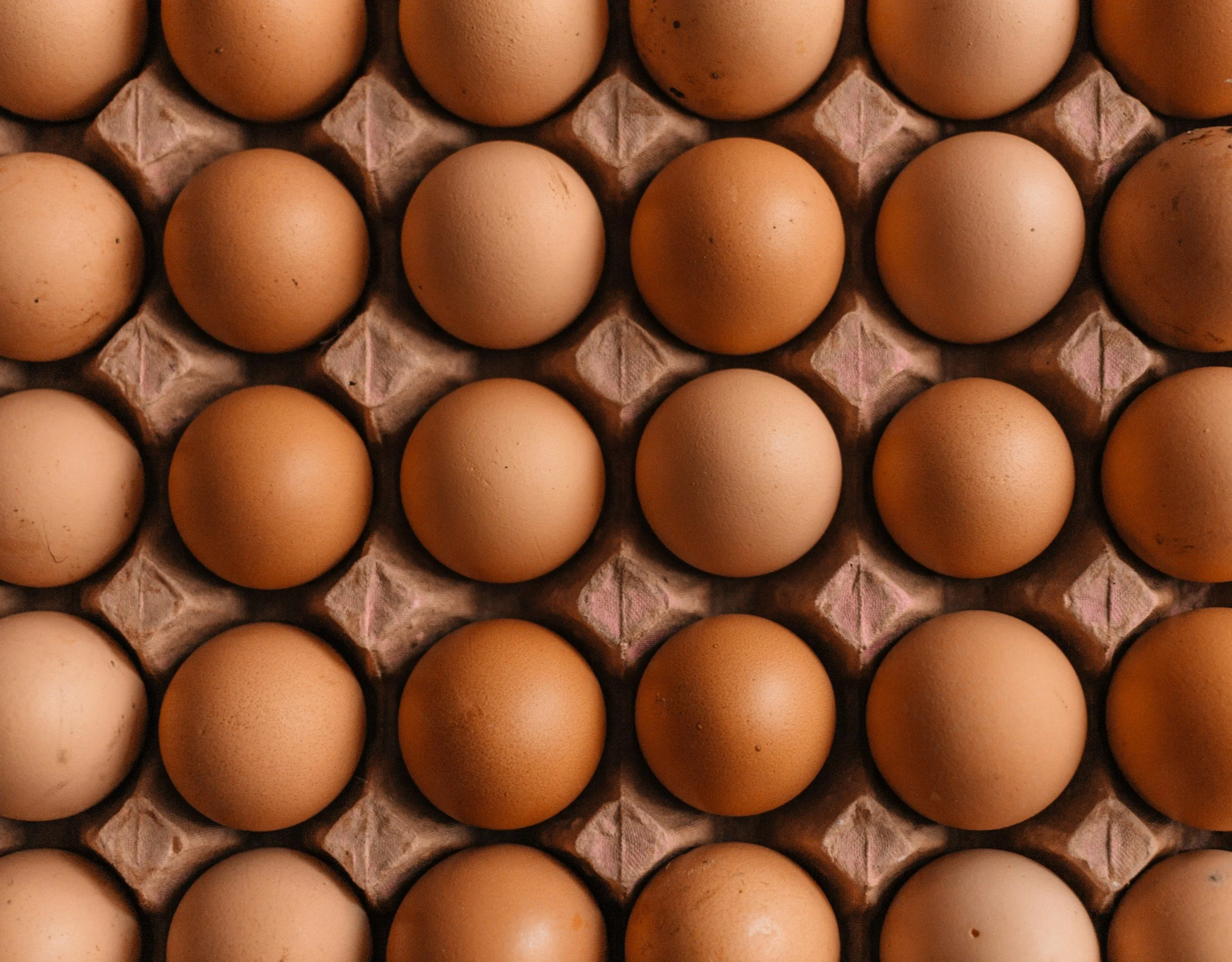
There is nothing inherently wrong with trends.
Humans have always borrowed from one another.We influence each other. We share ideas. We develop common languages and aesthetics and customs. Culture itself requires a certain amount of imitation.I don’t think individuality requires inventing everything from scratch.It would be exhausting if it did.But there is a difference between being influenced and being optimized.Influence says, I saw something and it opened a possibility for me.Optimization says, I saw something work, so I should make myself more like it.
That distinction feels increasingly important.
Because optimization is incredibly useful when we’re talking about machines.Make the process faster.Remove unnecessary friction.Standardize the parts.Identify what performs best and reproduce it.Wonderful.But people are not manufacturing processes.Neither are our homes.Neither are our creative lives.Neither are the businesses we build.And when we apply the logic of optimization to all of those things, something gets lost.Usually, it’s the inefficient bits.The peculiarities.The contradictions.The choices that don’t make immediate sense.The things that take too long.The things that aren’t universally appealing.The things that couldn’t be easily reproduced by someone else.
In other words:the fingerprints.
The algorithm doesn’t know you
I don’t hate algorithms.I don’t think technology is ruining us.And I don’t think the answer is to throw our phones into a lake and return to communicating exclusively through handwritten correspondence.Although, admittedly, the stationery would be beautiful.
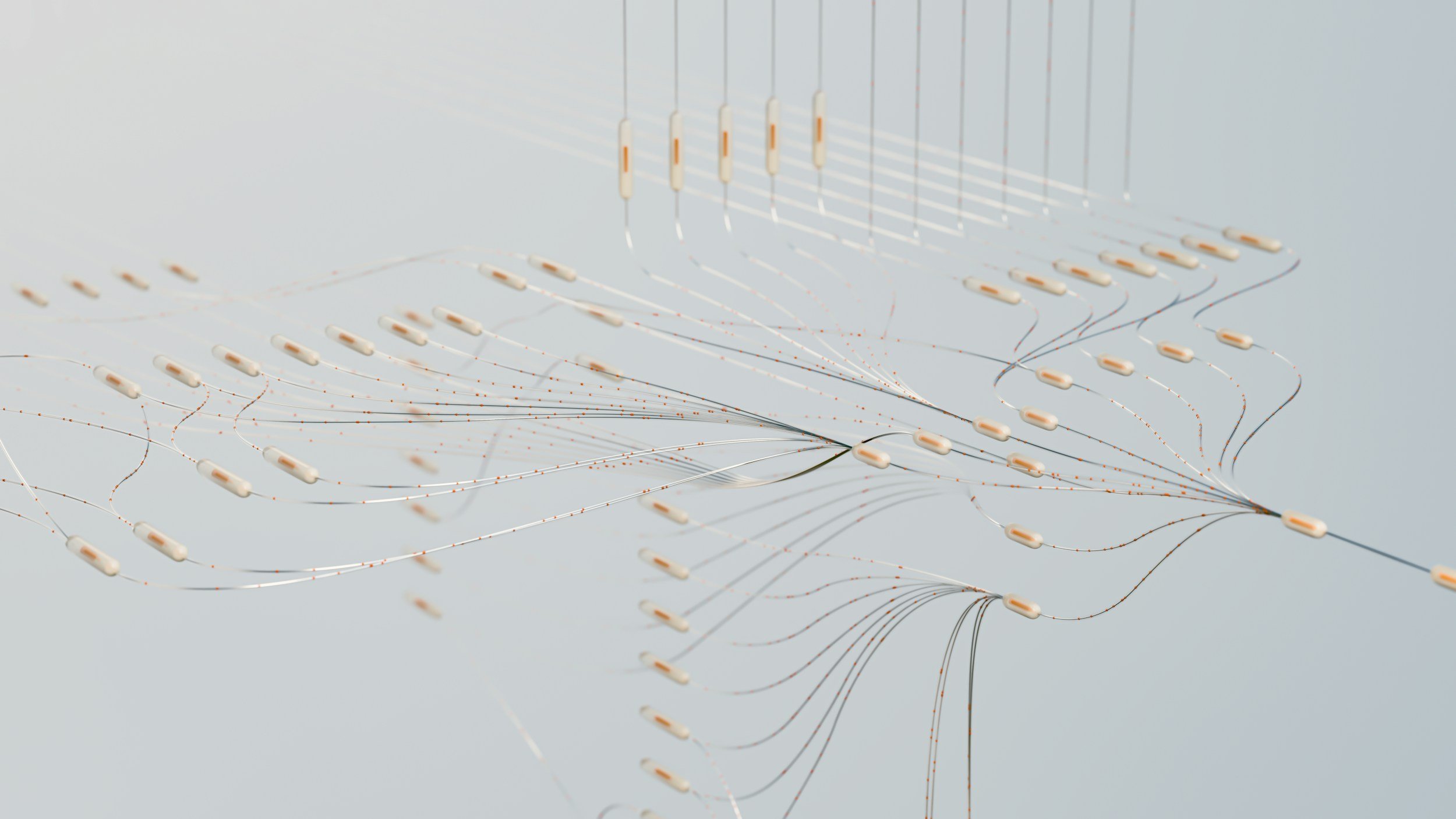
The algorithm is doing what it was designed to do.
It watches behaviour.It identifies patterns.It predicts what might hold our attention.It gives us more of what appears to work.The problem begins when we start looking back at it for instructions about who we should become.Because an algorithm can recognize patterns.It cannot know why you love something.It doesn’t know that a song reminds you of being seventeen and driving somewhere you can’t quite remember anymore.It doesn’t know that the ugly chair in the corner belonged to your grandmother.It doesn’t know why you always buy yellow flowers.It doesn’t understand why you prefer the photograph where everyone is laughing and someone has their eyes closed to the technically perfect one beside it.It doesn’t know why a particular scent makes your shoulders drop before you’ve consciously registered what you’re smelling.It doesn’t know why you underline sentences in books.It doesn’t know why you keep something long after everyone else would have replaced it.Those things aren’t data points in the way we experience them.
They’re biography.
And biography is messy.
Taste needs room
I think about taste a lot.Not good taste.Just taste.The deeply personal collection of preferences we accumulate over a lifetime.Some of them make perfect sense together.Some absolutely do not.That is what makes them interesting.Real taste is rarely an aesthetic category.A person can love antique silver and modern architecture.Opera and terrible pop music.Minimalist rooms and ridiculously ornate Christmas decorations.A perfectly set table and eating toast over the kitchen sink.
We contain contradictions because we are people, not Pinterest boards.
And I wonder whether we’re giving ourselves enough opportunity anymore to discover what we actually like.To encounter something without immediately being shown twenty-seven variations of it.To sit with an idea before it becomes a trend.To change our minds. To like something unpopular.To dislike something beautiful.To choose something simply because it delights us.Taste requires exposure, certainly.But I think it also requires solitude.A little distance from consensus.A little silence in which to hear your own response before everyone else’s arrives.
Otherwise it becomes remarkably easy to confuse familiarity with preference.
I’ve seen this everywhere.Therefore I like this.Everyone seems to want this.Therefore this must be desirable.This is performing well.Therefore this must be good.
Maybe.
But maybe not.
When everything becomes content
There is another layer to this that I find even more interesting.We don’t only consume digital culture anymore.Increasingly, we arrange ourselves for it.Our homes become backdrops.Our meals become photographs.Our hobbies become content pillars.Our clothes become outfits.Our routines become tutorials.Our vacations become footage.Our businesses become content machines.Even our quiet moments can begin to feel like raw material.
And there is something deeply strange about experiencing your own life while simultaneously considering how it might be presented.
Does this photograph well?Is this on brand?Should I record this?What audio would go with this?Will people engage with this?There is nothing wrong with sharing.I have built an entire business in part by sharing.I love photographs. I love words. I love creating a visual world around August Moon Rise.But I never want the representation of a life to become more important than the life itself.And I never want the representation of this brand to become more important than the brand itself.That distinction matters to me.
I know what Instagram wants. I know what Instagram would like me to do.I just don’t particularly want to do it.I don’t use hashtags.I don’t use trending audio.I don’t make reels.I post photographs and long-ass captions.
I know.
Revolutionary stuff.
There are perfectly sensible arguments for doing all of the things I don’t do.Video reaches people.Trending audio can increase discovery.Short captions reduce friction.Hooks capture attention.Consistency helps platforms understand what you’re offering.I understand the advice.I’m not avoiding it because I’m unaware of it.
I’m making a choice.
Because at some point, every business has to decide whether the medium is serving the work or whether the work has begun serving the medium.For me, August Moon Rise lives in photographs and words.It lives in details.It lives in things that reward attention rather than demand it.It lives in scent, which is perhaps one of the least digitally cooperative things I could possibly have chosen to build a business around.You cannot smell an Instagram post.You cannot experience the warmth of a vessel through a screen.You cannot reproduce the strange immediacy of fragrance—the way it can reach into memory before language has even caught up—with a seven-second video.
So I write.
A lot.
Sometimes far more than any sensible social media strategist would recommend.And I use photographs that I want to look at.I make things slowly.I return to ideas.I repeat myself.I let some things remain quiet.I’m not outdated.I’m me.And this is the brand I’ve created.
Recognition is different from familiarity
This is the part I keep coming back to.
Brands are constantly told they need to be recognizable.I agree.But I think we have confused recognizability with familiarity.Familiarity says:I’ve seen this before.Recognition says:I know who made this.
Those are not the same thing.
One comes from fitting comfortably into an established visual language.The other comes from developing your own.Recognition takes longer.It requires repetition.It requires saying no.It requires allowing some people not to understand what you’re doing.It requires resisting the temptation to change direction every time the culture does.It requires enough confidence to let something become yours through use.The photograph.The language.The packaging.The point of view.The way you tell a story.The things you return to over and over again because you haven’t finished thinking about them.Not because they’re trending.
Because they’re yours.
And perhaps that’s why I find the relentless pursuit of novelty so uninteresting.New isn’t necessarily distinctive.Sometimes the most recognizable thing you can do is keep going.
The things that don’t scale.
There are parts of being human that are wonderfully inefficient.Conversation.Cooking for people.Reading.Walking without a destination.Making something by hand.Learning an instrument badly.Setting a table when paper plates would work perfectly well.Keeping traditions that would be easier to abandon.Lighting a candle when the overhead light is objectively more efficient.None of these things need to justify themselves through productivity.
That’s precisely why they matter.
And perhaps specificity works the same way.It isn’t always efficient.A highly specific thing will inevitably exclude someone.Not everyone will like the same fragrance.Not everyone wants to read a thousand words beneath a photograph.Not everyone likes black vessels or strange names or literary references or quiet photographs.
Good.
Not everything needs to be for everyone.
There is enormous freedom in that.
The goal doesn’t have to be universal appeal.It can simply be resonance.The right person encountering something and thinking:Oh.This is for me.
The cost of universal appeal
The more people something needs to please, the fewer sharp edges it can have.
The colours become safer.The language becomes broader.The ideas become easier to digest.The peculiarities disappear.Eventually you can create something almost impossible to dislike.
But you may also create something difficult to love.
I don’t want that.Not for August Moon Rise.And increasingly, not for my life.I would rather make something specific enough to mean something.Something that carries evidence of the person who made it.Something that might not make perfect sense to everyone.Something with a point of view.Something with fingerprints on it.
Because the alternative is a world filled with beautiful things that somehow feel as though nobody made them.
We were never supposed to arrive at the same answer
Maybe this is what bothers me most about the growing sameness of our digital spaces.Not that we’re copying one another.Not that trends exist.Not that someone used the same font as someone else.
It’s that difference is one of the most extraordinary things about us.
We can stand in front of the same painting and notice different things.Walk into the same room and be drawn to opposite corners.Hear the same song and attach completely different memories to it.Smell the same fragrance and disagree entirely about whether it’s beautiful.Read the same book and underline different sentences.
We don’t need to solve that.
We don’t need to flatten those differences into something more universally marketable.We certainly don’t need to train ourselves out of them because a machine has learned that one version performs better.Our differences aren’t noise interfering with the signal.They are the signal.
So perhaps the question isn’t how we can make ourselves more appealing to the systems deciding what gets seen.Perhaps it’s how much of ourselves we’re willing to surrender in exchange for being seen.I don’t want to make something an algorithm recognizes.I want to make something you recognize.And I don’t think those are necessarily the same pursuit.One asks me to study what is already working and move toward it.
The other asks me to keep paying attention to what feels unmistakably mine.
To refine it.
To deepen it.
To return to it.
To trust that specificity might take longer to find its people, but when it does, recognition means more than reach ever could.
Maybe the goal was never to become recognizable by becoming familiar.Maybe it was never to sand ourselves smooth enough to move effortlessly through every platform, every trend, every room.Maybe we don’t need the same fonts.Or the same music.Or the same homes.Or the same opinions.Or the same lives.
Maybe the things that make us a little difficult to categorize are precisely the things worth protecting.The strange preferences.The unnecessary details.The long stories.The old things.The contradictions.The choices nobody recommended.The things we loved before we knew whether anyone else would.
The Fingerprints
Because we were never supposed to arrive at the same answer.
We were supposed to become recognizable by becoming more ourselves