a good house guest
On objects, atmosphere, and what we make room for.
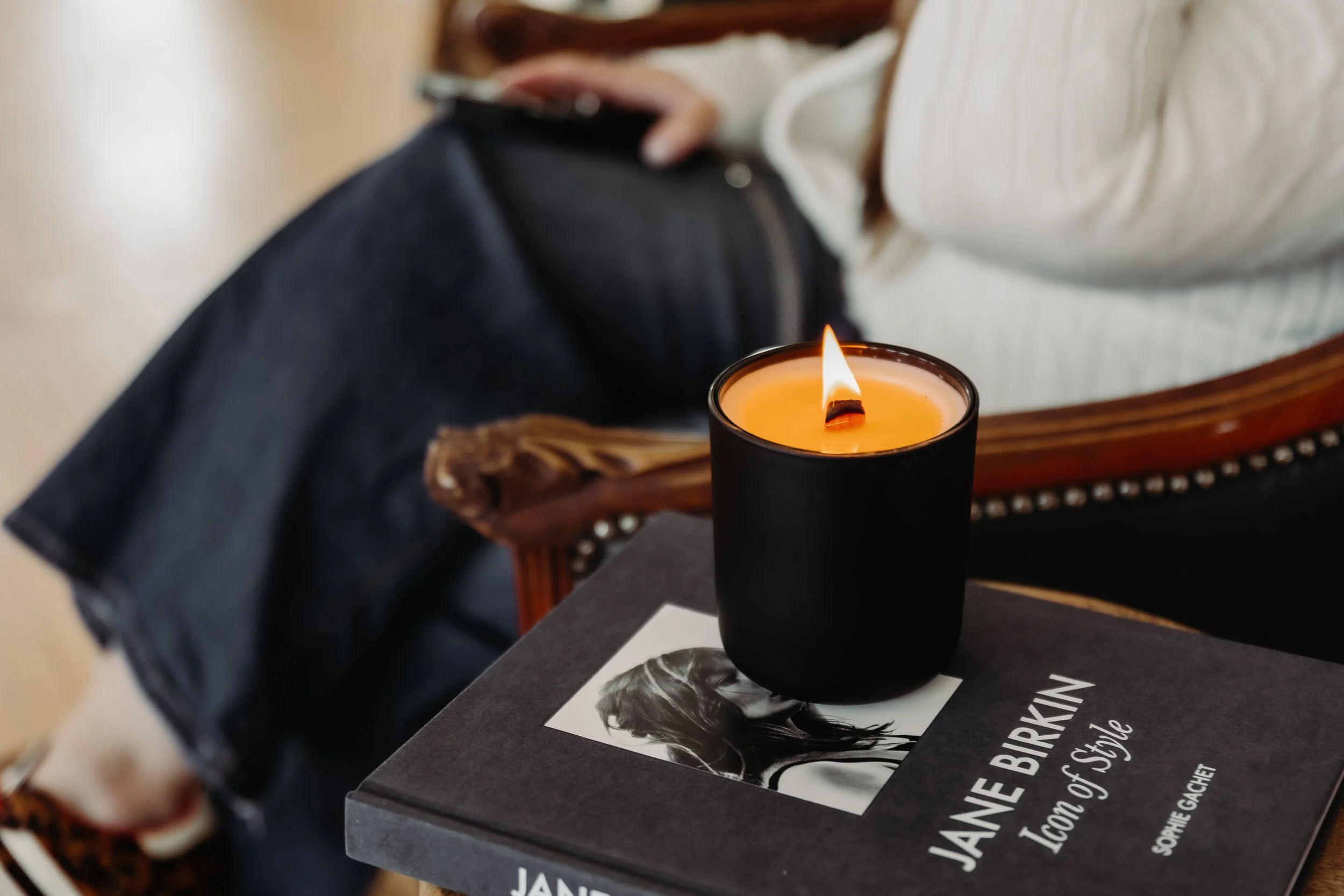
I started calling them House Guests almost by accident.
There were six black pineapple vessels left. I decided to keep one because, honestly, I love it. One would be given away. The other four would become the last of their kind to leave August Moon Rise.
The pineapple has long been used as an object of welcome—a way of saying there is a place for you here. So the name seemed fitting. Five House Guests, each waiting to be invited into a different home.
It was a lovely name for a small farewell.
Then I realized it was also how I had begun to think about every candle I make.
What We Allow to Enter

We usually speak about objects through the language of acquisition. We find them, want them, buy them, own them and arrange them. We ask where something came from, what it cost, whether it matches and where we might put it.
We ask much less often what will happen once it is there.
A home does not become more ours simply because more of our belongings are inside it. Objects can fill a room without helping us inhabit it. They can demonstrate taste without deepening experience. They can be beautiful, expensive or perfectly placed and still contribute very little to the life taking place around them.
Some objects occupy space.
Others participate in it.
That distinction matters to me.
Hospitality is not the same as leaving every door open. To welcome something is also to decide that it belongs. Every invitation contains an act of discernment: I have made room for you. I am willing to let your presence change this place.
We understand this instinctively with people. A good house guest does not arrive and make the entire house about them. They notice the life already underway. They bring something to it. They alter the evening, perhaps, but they do not overtake it.
An object can do the same.
The Quality of a Presence

A candle is temporary by nature.
It arrives from somewhere else. You choose a place for it. You light it, and it begins to change the room—not by demanding that everything else stop, but by entering the atmosphere already there.
The light softens an edge. The fragrance moves through familiar rooms. The ordinary evening becomes more particular. You may read beside it, eat dinner near it, clean the kitchen while it burns or forget about it entirely until you notice that the whole house has changed.
Its value is not measured by how permanently it occupies space. Its value is in the quality of its presence while it is there.
This is one reason I have never wanted candles to become evidence of a beautifully performed life. They are not proof that the room is finished, the evening meaningful or the person lighting them particularly evolved. They do not turn life into a photograph.
They simply accompany it.
A good house guest does not require a performance.
Neither should a candle.
Occupying a Home Is Not the Same as Belonging to It
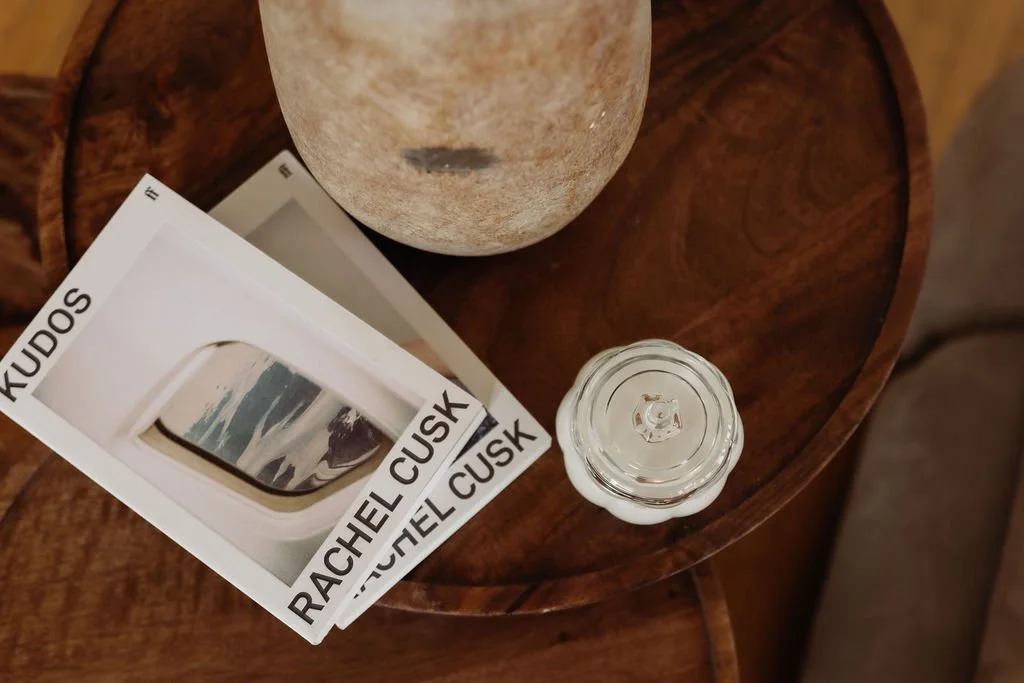
We live in a culture very good at teaching us how to bring things home and much less interested in helping us decide what deserves to stay.
The result is not always abundance. Sometimes it is simply occupation: cupboards filled with things we do not use, surfaces crowded with objects we no longer see, rooms quietly carrying the weight of decisions we never revisited.
This is not an argument for empty houses or a life stripped down to approved essentials. Sparseness can become its own performance. Nor is it an argument against beautiful things. I believe deeply in the pleasure, meaning and intelligence of objects chosen well.
It is an argument for relationship.
What has this object contributed to the life of the room? Does it ask for care without giving anything back? Was it invited because it belonged, or because I was briefly persuaded to want it? Has it become part of the house—or is it merely still inside it?
Being a good host sometimes means making room.
Sometimes it means recognizing when the visit is over.
After the Flame
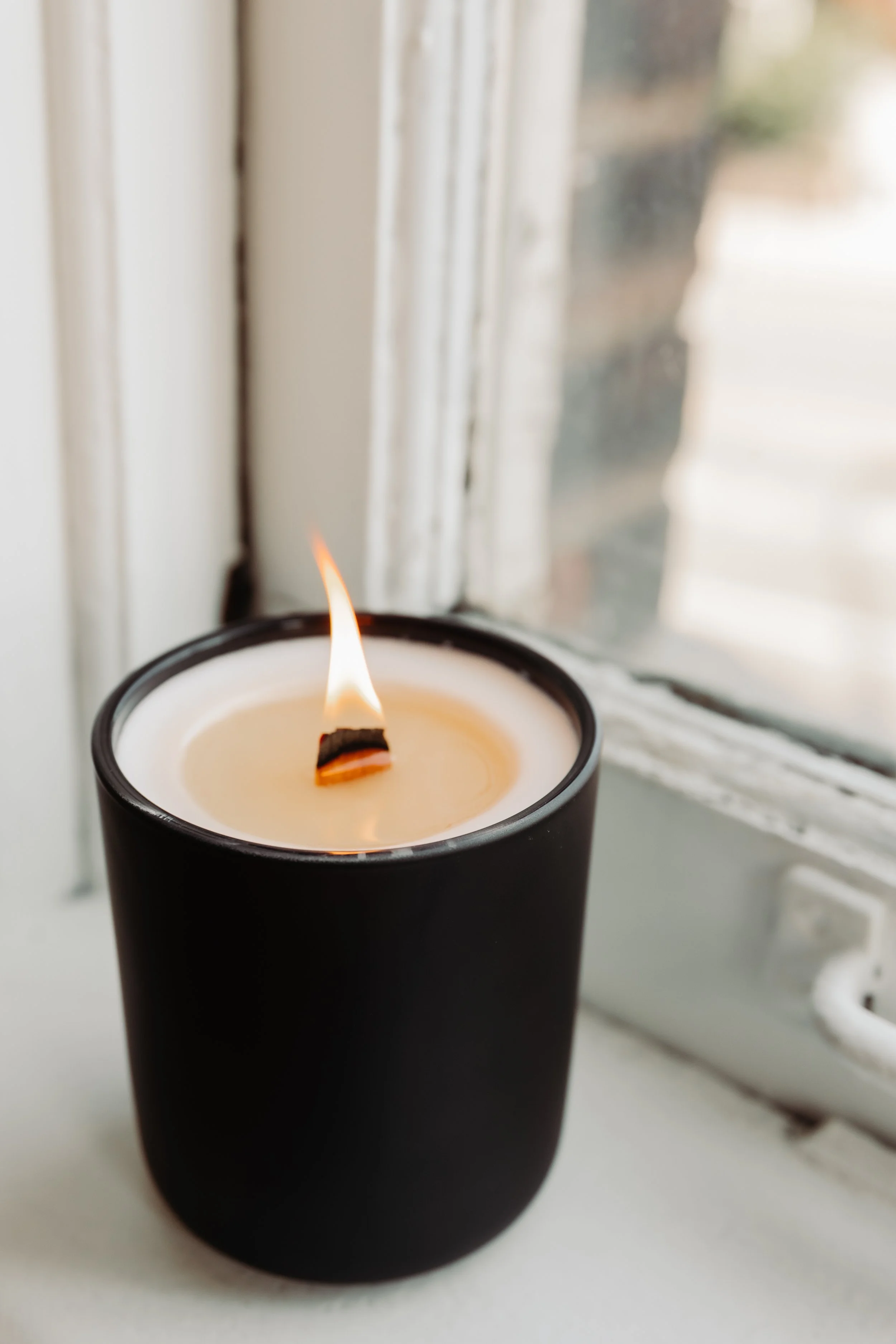
Eventually, every candle reaches the bottom.
That ending is not a failure of the object. The candle has done what it came to do. It has given light, carried fragrance and accompanied a finite stretch of life.
Perhaps the vessel remains. If it is useful or beautiful enough, it may be cleaned, refilled or asked to serve the house in another way. If it no longer belongs, we can let it go without pretending that keeping everything is the same as honouring it.
Impermanence is not disposability.
Something does not need to last forever to have been worth making well.
In fact, the temporary nature of a candle asks more of its maker. If an object will be consumed, then its time should be good. The fragrance should be considered. The vessel should feel worthy of the room. The experience should not be designed to manufacture urgency, promise transformation or leave behind another obligation.
It should arrive with something to offer.
It should know when to leave.
A Place for You Here
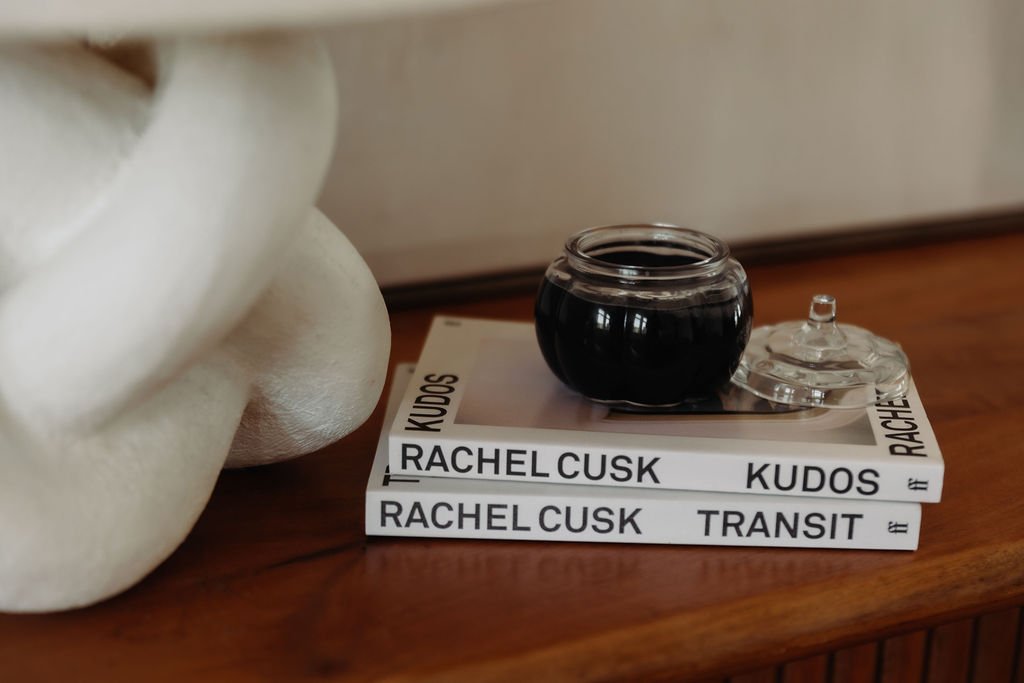
I think this may be how I describe August Moon Rise candles from now on.
Not as remedies. Not as props for a better-looking life. Not as one more beautiful thing asking to be rapidly collected.
As House Guests.
Made carefully elsewhere, then sent out to participate in a life I will never fully see. Placed on kitchen counters, bedside tables and bookshelves. Lit during dinners, difficult conversations, quiet afternoons and entirely unremarkable Tuesdays. Present for a while. Then gone.
The five black pineapples made the metaphor visible, but they did not invent it. Every candle has always crossed a threshold. Every one has depended upon someone deciding there is a place for it here.
That invitation deserves respect.
Every candle eventually leaves.
A good one teaches the room how to feel while it is there.