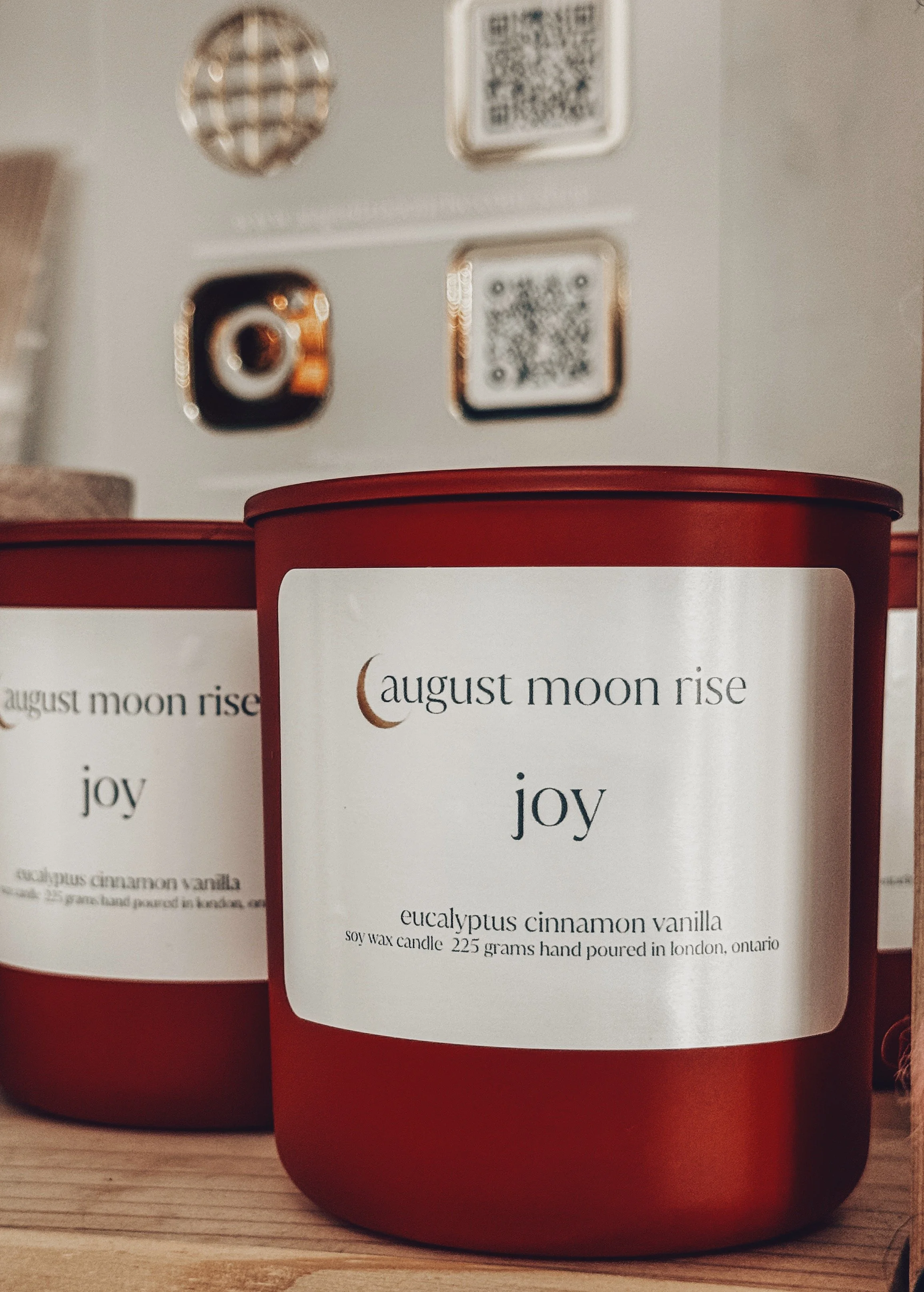
joy

Joy is a profound emotion that transcends happiness; it embodies a sense of fulfilment and purpose. Its power lies in its ability to uplift, motivate, and connect us. When we experience joy, we are often inspired to engage more fully with our lives and the people around us. It can serve as a catalyst for positive change, fostering resilience in times of adversity.
The purpose of joy extends beyond the individual. It acts as a bridge between us, creating bonds that enhance community and understanding. In shared moments of joy—whether through laughter, celebration, or simple companionship—we discover our common humanity. This connection can lead to greater empathy and cooperation, promoting a more harmonious society.
Moreover, joy has significant benefits for our mental and physical well-being. Research shows that experiencing joy can reduce stress, lower blood pressure, and enhance immune function. It fosters an optimistic outlook, encouraging individuals to pursue their goals and aspirations with renewed vigour.
Cultivating joy does not require grand gestures; it can emerge from the simplicity of everyday experiences—a warm cup of coffee on a chilly morning, a shared smile with a stranger, or the beauty of nature surrounding us. By acknowledging and embracing these moments, we unlock the potential for a more fulfilling existence.
In essence, the power and purpose of joy lie in its ability to transform our lives. It inspires meaningful connections, nurtures our well-being, and creates a ripple effect that can positively impact those around us. By recognising the significance of joy, we can strive to integrate it more fully into our everyday lives, thereby enriching our own experiences and those of others.
Joy and Positive Psychology
Joy, often described as a profound sense of happiness, plays a vital role in positive psychology. This branch of psychology focuses on the strengths that enable people and communities to thrive. Central to this is the understanding that fostering joy can significantly enhance well-being and resilience.
Scientific research has shown that joy ignites a host of positive outcomes. It encourages creativity, bolsters our immune systems, and fosters social connections. When we experience joy, our brains release neurotransmitters such as dopamine, which not only improve our mood but also empower us to engage more fully in our lives.
To cultivate joy, one can start by embracing the simple pleasures in life—mindfully enjoying a warm cup of tea, taking a leisurely walk in nature, or lighting a candle and appreciating its glow. These small moments can serve as reminders to pause and reflect on the beauty that surrounds us, promoting a deeper sense of contentment.
Positive psychology suggests that engaging in activities that promote joy is essential. This might include practising gratitude, building meaningful relationships, or pursuing activities that ignite passion. By focusing on what brings us joy, we create a positive feedback loop that nourishes our emotional health and overall well-being.
In a world that often prioritises productivity over leisure, it’s important to recognise the power of joy. By integrating principles of positive psychology into our daily routines, we can cultivate a life rich with happiness, connection, and wellness.
A Book on how to be Joyful
In her book, Joyful: The Surprising Power of Ordinary Things to Create Extraordinary Happiness, Ingrid Fetell Lee explores the profound impact that our surroundings can have on our sense of joy and well-being. She emphasises how the physical environment, filled with vibrant colours, engaging shapes, and inviting textures, plays a crucial role in cultivating happiness. Lee presents a compelling argument that by consciously choosing to surround ourselves with these elements, we can enhance our emotional states and overall quality of life.
Throughout the book, Lee identifies ten factors that contribute to joy, such as colour, pattern, energy, and abundance. Each factor is illustrated with examples from everyday life, demonstrating how simple changes—like adding a cheerful artwork or incorporating natural elements—can uplift our mood and promote a sense of connection to the world around us.
Lee’s perspective resonates with our ethos, where prioritizing self-care and appreciating beauty in our environment are fundamental to holistic wellness. By fostering a culture that values these ordinary yet extraordinary elements, we can collectively enhance our overall happiness and well-being, just as Lee advocates. This connection reinforces the idea that joy is not only found in grand experiences but can also be cultivated within the small, everyday moments that surround us.
Joy and Biophilic Design

Biophilic design is rooted in the inherent connection between humans and nature, fostering environments that enhance well-being and joy. By integrating natural elements, such as plants, natural light, and organic materials, biophilic design nurtures a sense of calm and promotes emotional health.
Joy emerges in spaces that reflect the beauty of the natural world. Incorporating greenery, for example, not only enhances air quality but also serves as a visual reminder of nature's serenity. Sunlight streaming through windows, combined with the use of natural materials, creates a warm atmosphere that invites relaxation and encourages mindfulness.
Moreover, spaces designed with biophilic principles can stimulate creativity and productivity. The presence of natural elements has been shown to reduce stress, promote happiness, and improve overall well-being. By prioritizing these design principles, we cultivate environments that inspire individuals to pause, reflect, and reconnect with themselves and their surroundings.
As our spaces evolve, embracing biophilic design means allowing joy to flourish. Whether through a well-placed indoor plant or a thoughtfully designed outdoor area, these elements remind us that nature is not just a backdrop but an integral part of our living experience. Elevating our surroundings with nature invites us to appreciate the beauty in the ordinary and find happiness in the simplest of moments.
Candles and Biophilic Design
Candles and biophilic design converge harmoniously to create spaces that enhance well-being and foster a connection to nature. Biophilic design focuses on integrating natural elements into the built environment, promoting a sense of tranquillity and grounding. The soft flicker of a candle’s flame, paired with the subtle aromas it emits, can significantly enrich this experience.
Incorporating candles within spaces designed with biophilic principles can enhance the sensory experience. The warm glow of candles mimics natural light, creating a soothing atmosphere that encourages relaxation and mindfulness. When positioned near plant life or natural materials, these candles can amplify the sense of being in a restorative environment, bridging the gap between the indoors and the outdoors.
In addition to their aesthetic and sensory appeal, candles also promote self-care. By creating an atmosphere that values leisure and tranquillity, they invite individuals to slow down, reflect, and appreciate the beauty of their surroundings. This practice aligns with the goals of biophilic design, which aims to reduce stress and enhance overall well-being.
Opting for sustainably sourced candles made from natural ingredients further complements the ethos of biophilic design. Such choices reflect a commitment to environmental wellness, reinforcing the bond with nature while fostering personal health.
In summary, the integration of candles within biophilic design not only elevates the aesthetic of a space but also enhances the emotional and sensory experience, making it an effective approach to cultivating holistic wellness and happiness.