how light exposure impacts your day
Scroll to the bottom for specific ways to include candlelight into your day.
The pineal gland, a small, pinecone-shaped endocrine gland nestled deep within the brain, has captivated researchers and spiritualists alike for centuries. Often referred to as the "third eye" due to its unique physiological and mystical significance, the pineal gland is shrouded in enigma and subject to numerous theories and speculations.
One of the most remarkable connections associated with the pineal gland is its relationship with light exposure. This tiny, light-sensitive organ plays a pivotal role in regulating the body's internal clock through its secretion of the hormone melatonin. As the primary regulator of circadian rhythms, the pineal gland is acutely responsive to light, particularly in relation to the sleep-wake cycle.
The influence of light exposure on the pineal gland is mediated by the suprachiasmatic nucleus (SCN) of the hypothalamus, which receives information about environmental light through the eyes and subsequently communicates this data to the pineal gland. In the presence of light, the pineal gland's production of melatonin - vital for inducing sleep and regulating biological rhythms - is inhibited. Conversely, in darkness, the pineal gland becomes active, leading to increased melatonin production and the promotion of sleep.
Phew! That was a lot!
Beyond its role in circadian rhythm regulation, the pineal gland's responsiveness to light has sparked interest because of its association with spiritual and mystical experiences. Some traditions and belief systems hypothesize that the pineal gland serves as a gateway to higher consciousness and spiritual awakening, with light exposure playing a transformative role in activating this "third eye."
However, the scientific understanding of the pineal gland's exact function in relation to spiritual experiences remains a subject of debate and ongoing exploration, with researchers seeking to demystify its contributions to consciousness and cognition.
In the context of light exposure, the pineal gland's multifaceted nature continues to intrigue both scientists and seekers of spiritual enlightenment. Whether viewed through the lens of neuroscience and endocrinology or explored in the context of esoteric and metaphysical beliefs, the intricate interplay between the pineal gland and light exposure represents an interesting intersection of science and spirituality, inviting further inquiry and contemplation.
Pineal Gland and the Sixth Chakra

The pineal gland, often referred to as the "third eye," holds a holy place in various spiritual and esoteric traditions (none of which I practice thus I do not have lived experience with this topic). Positioned at the geometric center of the brain, this small gland has long been associated with the sixth chakra, also known as the Ajna (or brow) chakra in Hindu and yogic traditions.
To my understanding, the sixth chakra is believed to govern intuition, perception, and insight. It is said to serve as a gateway to higher consciousness, allowing individuals to access their inner wisdom and spiritual sight. The pineal gland's association with this chakra stems from its role in regulating circadian rhythms and producing melatonin, a hormone that influences sleep patterns and may also have a hand in modulating consciousness.
In some schools of thought, the pineal gland is considered a physical manifestation or symbol of the sixth chakra. It is believed that through activating and harmonizing the pineal gland, individuals can enhance their spiritual vision and gain a deeper understanding of the world around them. Practices such as meditation, visualization, and certain yoga asanas (body postures) are thought to stimulate and balance this gland, thereby potentially awakening the sixth chakra and promoting greater awareness.
However, it's important to note that scientific understanding of the pineal gland's spiritual significance is still evolving, and claims about its role in spiritual awakening should be approached with discernment. While the interconnectedness of the pineal gland and the sixth chakra has captivated the imagination of many seekers, the nature of their relationship remains a subject of ongoing exploration and inquiry.
Timing of Light Exposure's Impact on Mood and Brain Circuits
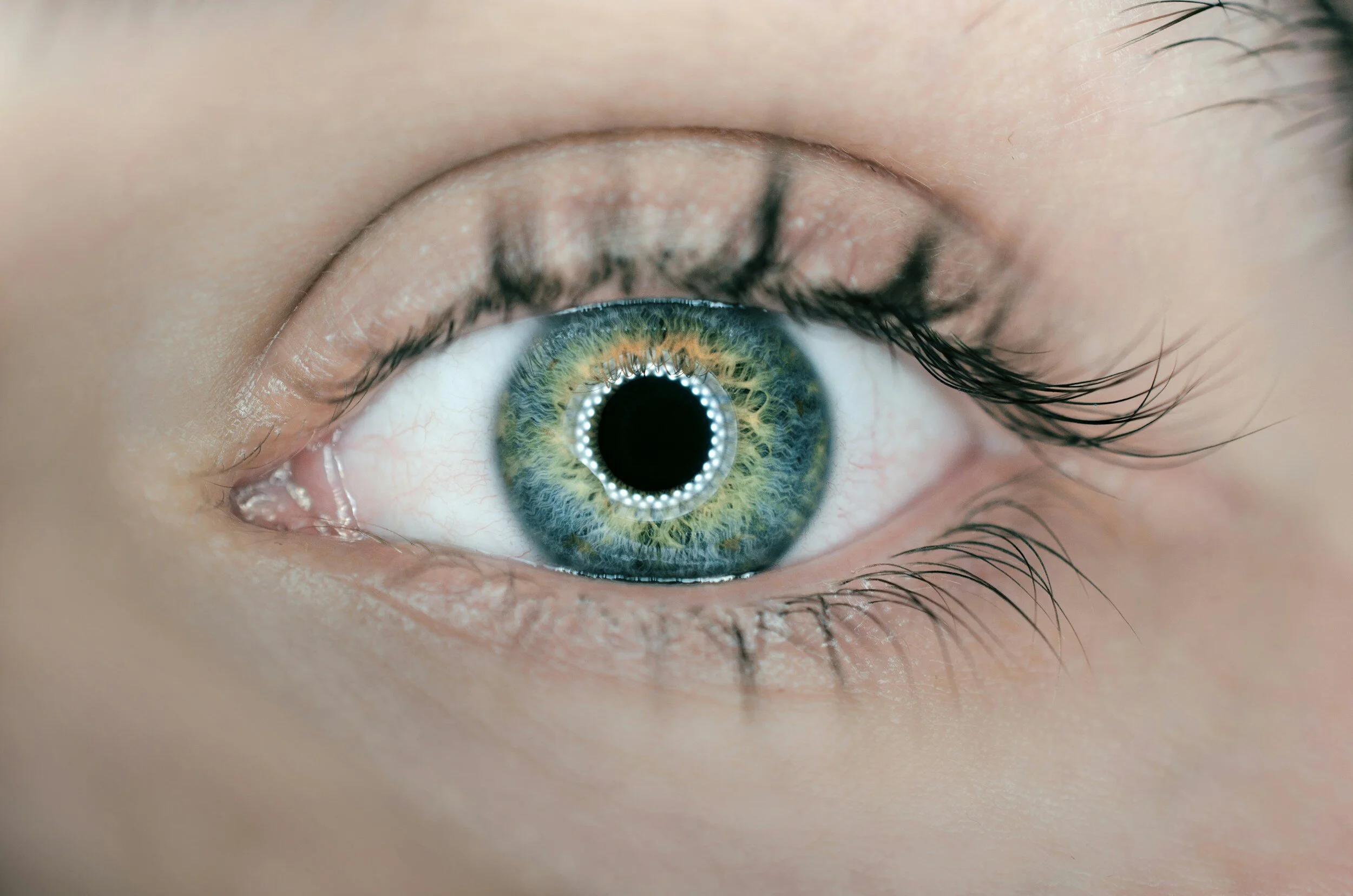
The human brain is intricately connected to the natural cycles of light and darkness. Research has shown that the timing of light exposure can significantly influence mood and the functioning of brain circuits. The human body's internal clock, known as the circadian rhythm, regulates various physiological and behavioral processes, including the sleep-wake cycle, hormone secretion, and body temperature.
Exposure to light during the day, especially in the morning, plays a crucial role in regulating the circadian rhythm. Natural light, or bright artificial light, stimulates a region in the brain called the suprachiasmatic nucleus, which helps synchronize the body's internal clock with the 24-hour day-night cycle. This synchronization is vital for maintaining optimal mental and emotional well-being.
The timing of light exposure not only influences the sleep-wake cycle but also impacts mood regulation. Adequate exposure to light during the day has been linked to improved mood and increased alertness. Conversely, insufficient light exposure, especially in the morning, can disrupt the circadian rhythm, leading to symptoms of depression, lethargy, and mood disturbances.
Light exposure affects the brain's neural circuits, particularly those involved in mood regulation. The brain's response to light exposure involves the release of neurotransmitters such as serotonin and dopamine, which are essential for mood stability and emotional resilience. Disruptions in the timing of light exposure can alter the balance of these neurotransmitters, contributing to the most common mood disorders; depression and anxiety.
We are exposed to artificial light sources, particularly in the evenings, which can interfere with the natural light-dark cycle. Prolonged exposure to artificial light at night, especially from electronic devices, can disrupt the circadian rhythm and negatively impact mood and cognitive function…and our skin!
Understanding the significance of timing in light exposure is crucial for maintaining mental and emotional well-being. Incorporating strategies such as exposure to natural light during the morning hours, minimizing artificial light at night, and maintaining regular sleep-wake cycles can help support healthy circadian rhythms and promote overall brain health.
By respecting the body's natural rhythms and ensuring appropriate light exposure during the day and minimizing artificial light at night, we can positively impact our mood, cognitive function, and overall mental well-being.
Tips for Getting More Light in Your Day
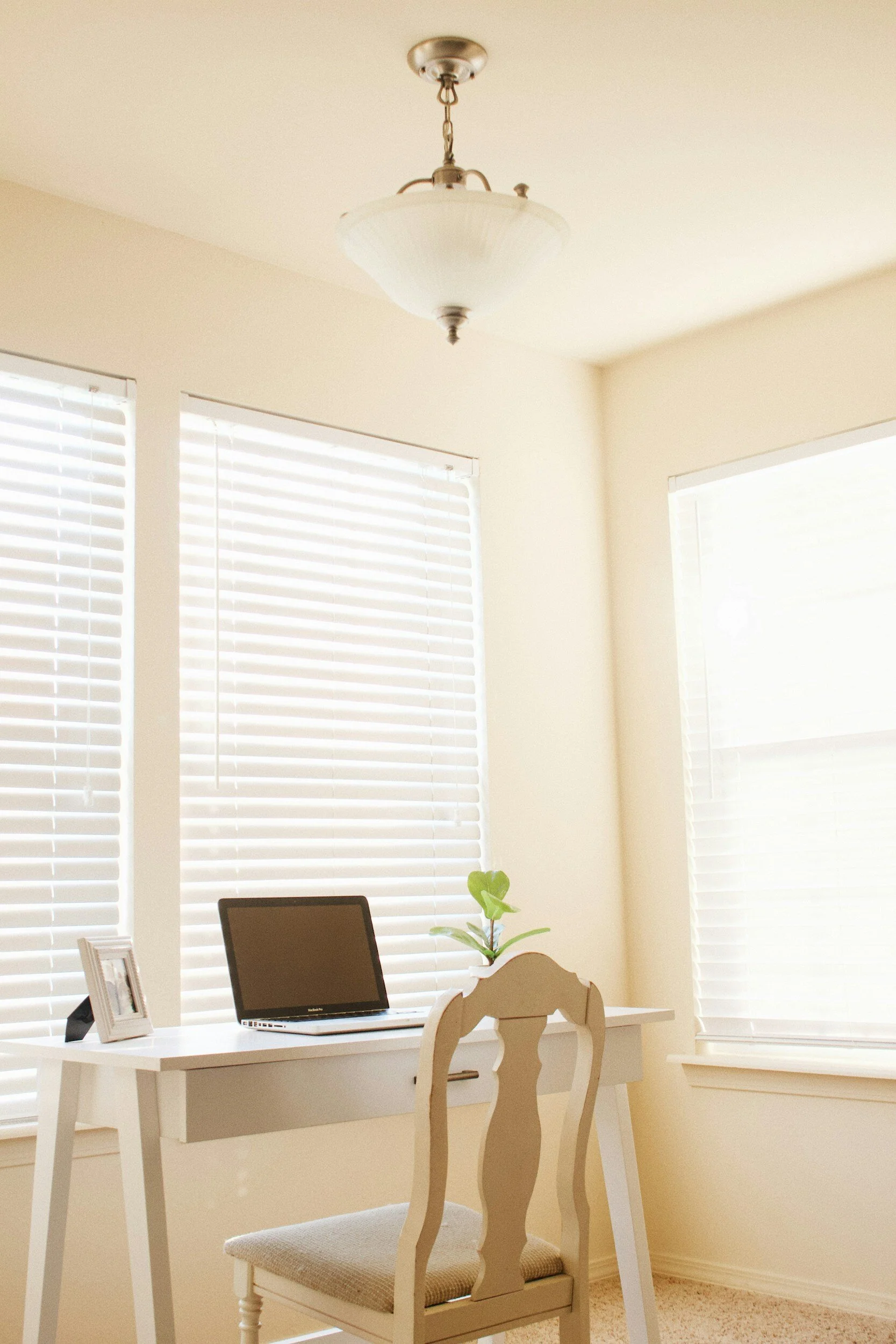
Getting enough light during the day is essential for maintaining a healthy sleep-wake cycle and overall well-being. Here are some tips to help you get more light in your day:
Morning Sunlight
Start your day by spending some time outdoors in the morning. Whether it's having your breakfast on the balcony or taking a short walk around your neighborhood, exposing yourself to natural light in the morning can help regulate your body's internal clock and boost your mood.
Arrange Your Workspace
If you spend a lot of time indoors, position your workspace near a window to let in as much natural light as possible. This can help you feel more alert and focused during the day.
Take Outdoor Breaks
Incorporate outdoor breaks into your daily routine. Whether it's a brief walk during your lunch break or simply stepping outside for a few minutes, being outdoors can provide a refreshing dose of natural light.
Use Light Therapy
Consider using a light therapy box, especially during the darker months of the year. Light therapy boxes simulate natural sunlight and can be particularly beneficial for those who live in regions with limited daylight hours.
Maintain Indoor Lighting
Ensure that the indoor spaces where you spend the most time, such as your home and workplace, are well-lit. Open curtains or blinds during the day to let in natural light and consider using brighter artificial lighting when needed.
Mindful Outdoor Activities
Engage in outdoor activities like gardening, outdoor sports, or simply sitting in a park. Not only will you benefit from the natural light, but being outdoors can also reduce stress and improve your overall sense of well-being.
Limit Screen Time
Reduce the amount of time you spend in front of screens, especially in the evening. The blue light emitted by screens can interfere with your body's natural sleep-wake cycle, making it harder to get restful sleep.
Evening Wind Down
In the evening, dim the lights in your home to signal to your body that it's time to wind down. This can help your body prepare for a restful night's sleep.
By incorporating these strategies into your daily routine, you can increase your exposure to natural light and potentially improve your mood, energy levels, and sleep quality.
Incorporating Candlelight into Your Circadian Rhythm

Candlelight has been used for centuries to create a calming and soothing atmosphere, but it can also be a powerful tool for aligning with your circadian rhythm. Here are some ways to incorporate candlelight into your daily routine to support your body's natural sleep-wake cycle. This guide can help you choose the right scent for each occasion.
Morning Transition
To ease into the morning, consider using candles to gently wake up. Instead of turning on harsh lights, light a candle as you begin your morning routine. The gradual shift from darkness to light mimics the natural sunrise and can help align your body with the awakening process.
Evening Wind-Down
As the sun begins to set, dim the harsh overhead lights and switch to soft, warm candlelight. This signals to your body that it’s time to start winding down and preparing for sleep, allowing your natural circadian rhythm to kick in.
Mindful Activities
Engage in mindful activities such as reading, writing, or meditation by the gentle glow of candles. This can help to reduce exposure to the stimulating blue light from electronic devices and promote relaxation, signaling to your body that it’s nearing bedtime.
Candlelit Dinners
Instead of bright, overhead lights during dinner, opt for candlelight. Not only does this create a cozy and intimate atmosphere, but it also helps your body recognize that the day is coming to an end, setting the stage for a smoother transition into the evening and bedtime.
Bedtime Ritual
Incorporate candlelight into your bedtime ritual. Whether it’s a few moments of quiet reflection, gentle stretching, or simply enjoying a cup of herbal tea, the soft glow of candlelight can help signal to your body that it’s time to prepare for sleep.
Remember, while candles can be a beautiful and effective tool for aligning with your circadian rhythm, fire safety is paramount. Always place candles on stable surfaces, keep them away from flammable materials, and never leave them unattended. Click here for more helpful tips.
By integrating candlelight into your daily rhythm, you can not only create a peaceful and soothing environment but also support your body’s natural circadian cycle, leading to improved sleep and overall well-being.