what is spiritual cleansing

It is important to note that spiritual cleansing is a deeply personal practice. Different individuals may find certain methods more effective than others. Treat this as an introductory guide to some practices.
It's all too easy to get caught up in the chaos of life and lose touch with the depths of our souls. As we navigate through a world filled with constant noise and distractions, it becomes crucial to embark on a journey of spiritual cleansing—an exploration of the inner self, aimed at finding balance and renewal.
At its core, spiritual cleansing is a process of purifying not only our physical body but also our mind and spirit. It involves shedding the layers of negativity, letting go of past burdens, and restoring harmony within ourselves. This sacred practice is found in various forms across different cultures and has transcended time, serving as a powerful tool for self-awareness and growth.
One avenue for spiritual cleansing is through meditation, a practice that invites stillness and tranquility into our lives. By quieting the mind and turning our attention inward, we create space for introspection and self-discovery. Meditation allows us to detach from the external world, enabling us to observe our thoughts, emotions, and sensations with a certain level of detachment. This process helps us recognize patterns that may be blocking our spiritual growth, allowing us to release them and make room for new, positive energies.
Another means of spiritual cleansing is through the power of ritual and symbolism. Across cultures, rituals serve as potent reminders of our connection to the divine and the sacred. They allow us to honor our ancestors, express gratitude, and seek forgiveness. Whether it's burning sage to purify a space, creating an altar filled with meaningful objects, or performing a ceremonial bath, these acts provide a tangible and visual representation of our intentions, serving as a bridge between the physical and spiritual realms.
Nature, too, plays a significant role in spiritual cleansing. Stepping outside and immersing ourselves in the wilderness allows us to reconnect with the natural world and its inherent wisdom. The earth, with its vast landscapes and ever-changing seasons, mirrors the cyclical nature of life. Walking barefoot on the ground, feeling the caress of the wind, or standing beneath the canopy of stars reminds us of our place in the universe and fosters a sense of awe and reverence. In these moments, we find solace, renewed energy, and alignment with our deeper selves.
Ultimately, spiritual cleansing is an ongoing journey—a commitment to nurturing our inner being and cultivating a harmonious existence. It requires regular nourishment and self-care.
At the core of spiritual cleansing lies the belief that our spiritual well-being is interconnected with our physical and emotional states. Just as we shower and cleanse our physical bodies, spiritual cleansing aims to cleanse the soul from stagnant energies, emotional burdens, and negative influences that accumulate over time.
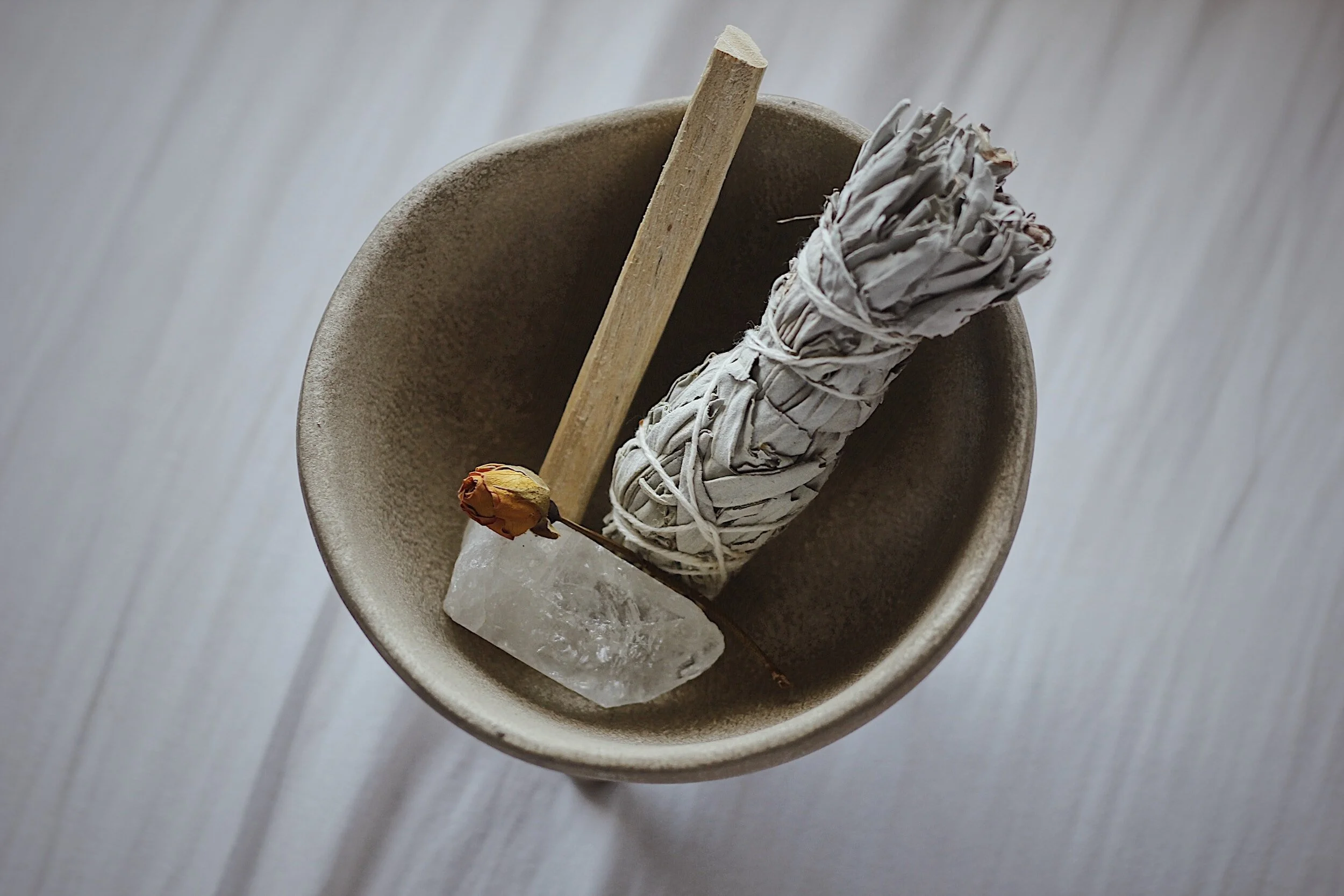
There are numerous methods of spiritual cleansing, and they vary across different cultures and belief systems. Some of the common techniques include:
Smudging
Smudging involves burning sacred herbs such as sage, palo santo, or cedar to release aromatic smoke that clears negative energies. This practice is often performed in ceremonial rituals and is believed to cleanse one's surroundings and the spiritual aura.
Meditation and Mindfulness
Practicing meditation and mindfulness techniques allows individuals to quiet their minds, focus on their inner selves, and let go of negative thoughts and emotions. This process helps to purify and restore clarity to the spirit.
Mindfulness Meditation: Mindfulness meditation centers around being fully present in the current moment. It involves paying attention to sensations, thoughts, and emotions without judgment or attachment. This practice cultivates a heightened sense of self-awareness and can be done through focusing on the breath, bodily sensations, or even daily activities.
Loving-Kindness Meditation: Also known as Metta meditation, this practice focuses on cultivating feelings of compassion, love, and kindness towards ourselves and others. It involves repetitive phrases or visualizations that aim to expand our ability to connect with and care for ourselves and the world around us.
Guided Visualization: Guided visualization meditation involves mentally visualizing images, scenes, or scenarios as guided by an instructor or audio recording. This type of meditation helps in fostering relaxation, enhancing creativity, and manifesting positive outcomes by engaging our power of imagination.
Transcendental Meditation: Transcendental meditation (TM) is a technique that involves silently repeating a mantra. The mantra serves as a vehicle to transcend to a state of deep relaxation and heightened awareness. Practitioners of TM often report reduced stress, increased clarity, and improved overall well-being.
Breathing Meditation: In this type of meditation, the focus is primarily on the breath. The goal is to observe and regulate the breath to help achieve a state of calmness, centeredness, and heightened awareness. Various breathing techniques, such as diaphragmatic breathing or alternate nostril breathing, can be incorporated to further enhance the practice.
Body Scan Meditation: Body scan meditation involves systematically directing attention to different parts of the body while noting any physical sensations or feelings. This practice helps increase awareness of bodily sensations, releases tension, and promotes a greater sense of connection between the mind and body.
Progressive Muscle Relaxation: Progressive muscle relaxation involves sequentially tensing and releasing different muscle groups in the body to induce a state of deep relaxation. By increasing awareness of physical tension and then releasing it, practitioners can experience profound relaxation and stress relief.
Mantra Meditation: Mantra meditation involves the repetition of a specific sound, phrase, or word to focus the mind and cultivate inner peace. The repetition of the mantra helps still the mind and allow for deeper states of concentration and self-awareness.
Movement Meditation: Unlike many other meditation practices, movement meditation involves engaging the body in a mindful way.
Forest Bathing
Originating from Japan, forest bathing, or shinrin-yoku, is not just a simple walk in the woods. It's an immersive experience that allows us to engage with the natural world in a profound and mindful way, promoting mental and physical well-being.
The art of forest bathing is not a rushed activity, but a slow and deliberate communion with nature. The fragrances of the forest awaken a deep sense of harmony within us, bringing us closer to your own essence.
Forest bathing goes beyond the physical. It is a mental and emotional rejuvenation, a balm for the weary soul. Studies have shown that spending time in nature, among trees and green foliage, reduces stress levels and boosts immunity. The forest acts as both a refuge and a therapist, gently whispering its secrets and healing our weary hearts.
Energy Healing
Energy healing practices, such as Reiki, aim to balance and align the body's energy centers (chakras) by removing blockages. By channeling universal life force energy, practitioners help to cleanse the energetic body and restore harmony.
Salt Baths
Immersing oneself in a bath filled with Epsom salt, sea salt, or Himalayan salt is believed to cleanse both the physical and spiritual bodies. The salt's purifying properties are thought to absorb negative energies and promote relaxation.
Journaling and Affirmations
Writing down thoughts, feelings, and intentions in a journal can be a powerful method of releasing pent-up emotions and clarifying one's intentions. Affirmations, positive statements that reinforce desired beliefs, can also help in cleansing and reprogramming the mind.
Connection with Nature
Spending time in nature, such as walking in the woods or sitting by the ocean, can have a profound cleansing effect on the spirit. The peacefulness and serenity of nature help to connect with the bigger picture and renew the soul.
Sound Baths with Crystal Bowls
The magic of crystal singing bowls lies in their ability to cleanse and restore balance within an individual's energetic body. Crafted from pure quartz crystal, these bowls emit specific frequencies that target different energy centers, or chakras, within the body. As the bowl's vibrations interact with the body's own energetic field, stagnant or negative energy is released, replaced by a revitalizing flow of positive energy.
Aside from their profound capacity to induce deep relaxation, sound baths and crystal singing bowls offer a myriad of other benefits. Practitioners and enthusiasts of this ancient practice report a heightened sense of clarity, improved focus, and enhanced creativity following a session. Moreover, the therapeutic effects extend beyond the immediate experience, promoting better sleep, reducing anxiety, and restoring emotional well-being in the days that follow.
The Sacred Aromas of Spiritual Cleansing
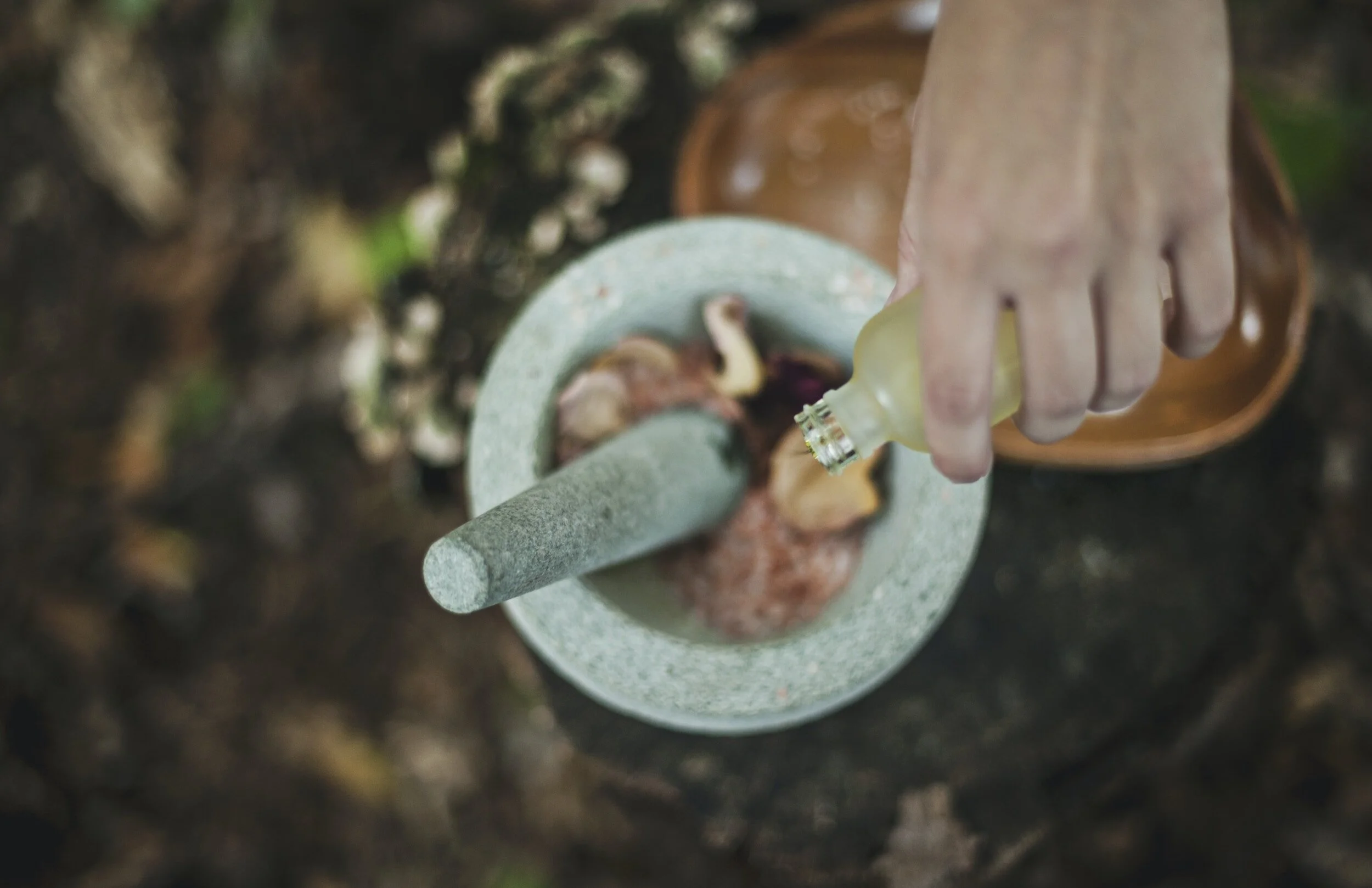
Scents have long held a sacred place in the realm of spiritual cleansing. From ancient rituals to modern practices, aromatic essences have been utilized to cleanse and purify mind, body, and spirit. These fragrant elements have the power to uplift, release negative energies, and restore balance within oneself and the surrounding environment. Here are some of the most revered aromas chosen for their transformative properties.
White Sage
Perhaps the most well-known scent for spiritual cleansing, white sage has been used by indigenous cultures for centuries. Its powerful aroma is believed to clear stagnant energy, negativity, and leaves a sense of renewed vitality in its wake. As the sacred smoke of white sage envelops the space, it purifies and cleanses, creating a sanctuary for spiritual growth and healing.
Palo Santo
Originating from Peru and Ecuador, Palo Santo is considered a potent tool for energy cleansing. Its rich, woody scent carries a sense of tranquility and protection. Lighting a Palo Santo stick and allowing its smoke to permeate the atmosphere can promote emotional healing, ward off negative energies, and invite positive vibrations into one's being.
Frankincense:
Frankincense, renowned across ancient civilizations, holds great significance in spiritual rituals. This aromatic resin has a captivating, earthy fragrance that connects the earthly and divine realms. Burning frankincense is believed to purify the spirit, center the mind, and deepen meditation. Its presence evokes a sense of transcendence, allowing one to delve deeper into the realms of introspection and personal growth.
Myrrh
Often mentioned in the same breath as frankincense, myrrh possesses a unique scent that carries hints of balsamic, citrus, and woody aromas. Myrrh has long been associated with divine healing and spiritual transformation. Its use in spiritual cleansing rituals assists in releasing negativity, soothing emotions, and aligning with one's higher purpose. The fragrance of myrrh induces a serene atmosphere, fostering a deep sense of connection with the sacred.
Lavender
With its delicate purple flowers and soothing aroma, lavender is widely known for its calming properties. In the realm of spiritual cleansing, lavender aids in releasing stress, anxiety, and promoting a peaceful state of mind.