jasmine

Jasmine is an exquisite flower that has captured the hearts and imaginations of poets, perfumers, and artists alike throughout the ages. Its delicate blossoms, with their pristine white petals and tantalizing aroma, stand as a testament to nature's artistry and elegance.
Not only is jasmine revered for its aesthetic appeal, but it is also deeply embedded in numerous cultures and traditions. In many Asian countries, jasmine holds a special place in ceremonies and celebrations. This flower symbolizes purity, grace, and eternal love, making it a cherished part in weddings, religious rituals, and memorial services.
Jasmine's allure extends far beyond its physical attributes and cultural significance. This delicate flower has also captured the attention of perfumers worldwide, who have endeavored to capture its essence in beautiful bottles. Its iconic fragrance has been blended with other notes, creating luxurious scents that transport us to exotic locales, conjuring images of moonlit nights, romantic encounters, and whispered secrets.
Beyond its captivating beauty and fragrance, jasmine possesses healing properties that have been utilized for centuries. In traditional medicine practices, the essence of jasmine is believed to calm the mind, uplift the spirits, and relieve stress. Its aromatic oil is used in aromatherapy to promote relaxation and balance, providing solace in our increasingly hectic lives.
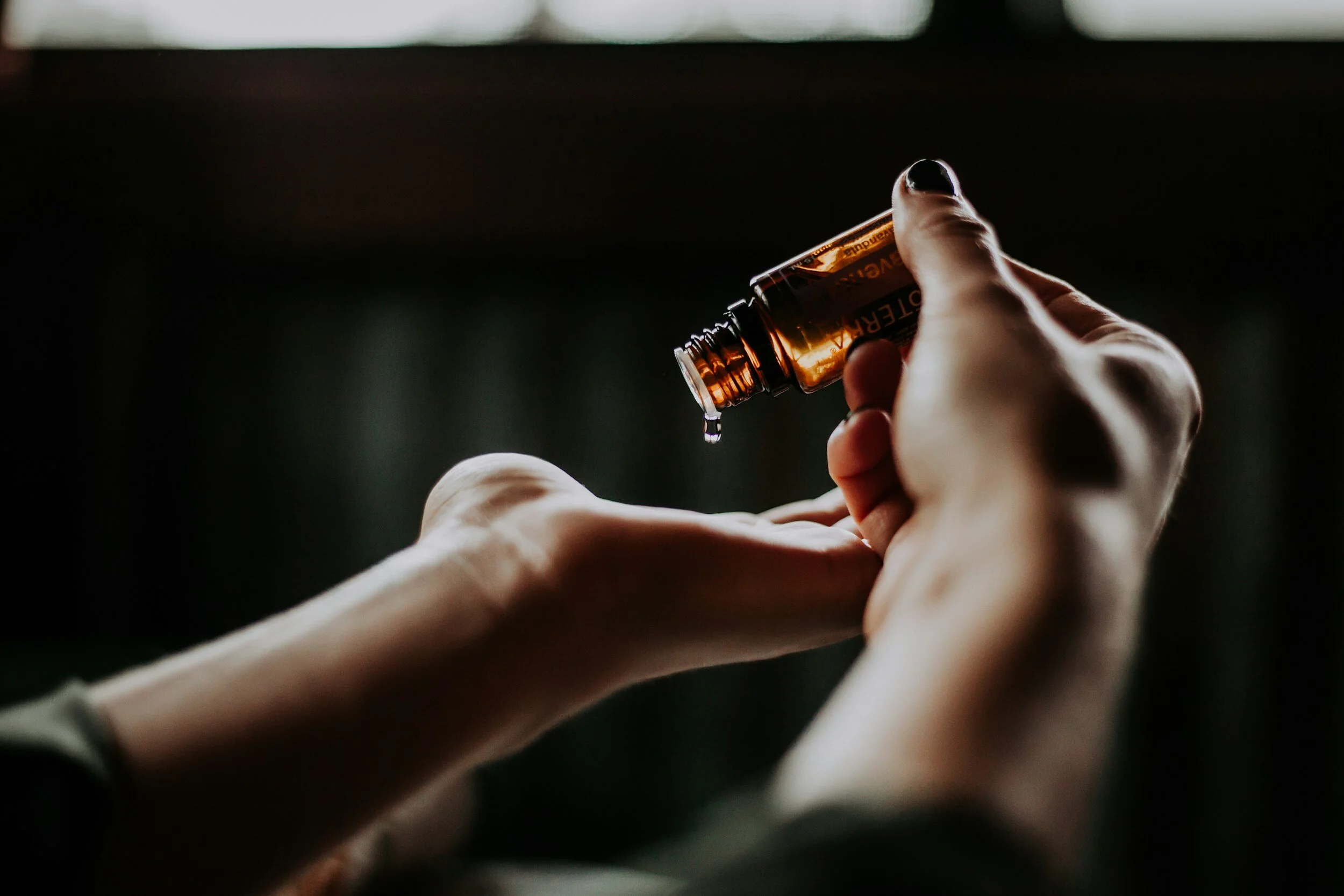
The production of jasmine oil primarily takes place in countries like India, Egypt, and Morocco. Cultivating jasmine flowers, extracting the oil, and refining it into a marketable product involves significant labor and resources. Unfortunately, the demand for jasmine oil has led to certain ethical concerns that cannot be overlooked.
Firstly, the issue of fair trade arises when discussing jasmine oil. Many farmers and laborers involved in the cultivation and harvesting of jasmine flowers receive minimal wages and work under poor conditions. The harsh reality is that while the oil holds a high market value, the people at the lowest level of the production chain often do not benefit from its profitability. Ensuring fair compensation and improving working conditions for these workers is crucial to addressing the ethical concerns associated with jasmine oil.
Another ethical quandary involves the environmental impact of jasmine oil production. The cultivation of jasmine flowers requires vast amounts of water and land, which can put a strain on local ecosystems. Additionally, the use of chemical fertilizers and pesticides poses risks to the environment and human health. Sustainable farming practices must be adopted to minimize the ecological footprint of jasmine oil production, taking into account water conservation, soil health, and biodiversity preservation.
Furthermore, the issue of animal testing arises when considering the ethical implications of jasmine oil. In the cosmetic and personal care industry, animal testing has been a controversial and widely debated topic. It is essential for manufacturers of jasmine oil-based products to prioritize cruelty-free practices and invest in alternative methods of testing to protect animals from unnecessary harm.
To address the ethical concerns surrounding jasmine oil, several steps can be taken. Firstly, consumers should prioritize purchasing jasmine oil products that are certified as fair trade, ensuring that the entire production chain is ethically managed. Supporting companies that demonstrate transparency in their sourcing and production processes is crucial.
Additionally, companies involved in the cultivation and production of jasmine oil should engage in responsible sourcing practices. They should collaborate with local farmers, providing fair wages and promoting their well-being. Moreover, adopting sustainable farming techniques and minimizing the use of harmful chemicals can help mitigate the environmental impact of jasmine oil production.
Known for its intoxicating scent and soothing properties, jasmine has been cherished for centuries as a natural source of tranquility. And what better way to bring this calming presence into your life than through the gentle glow of a jasmine-scented candle?
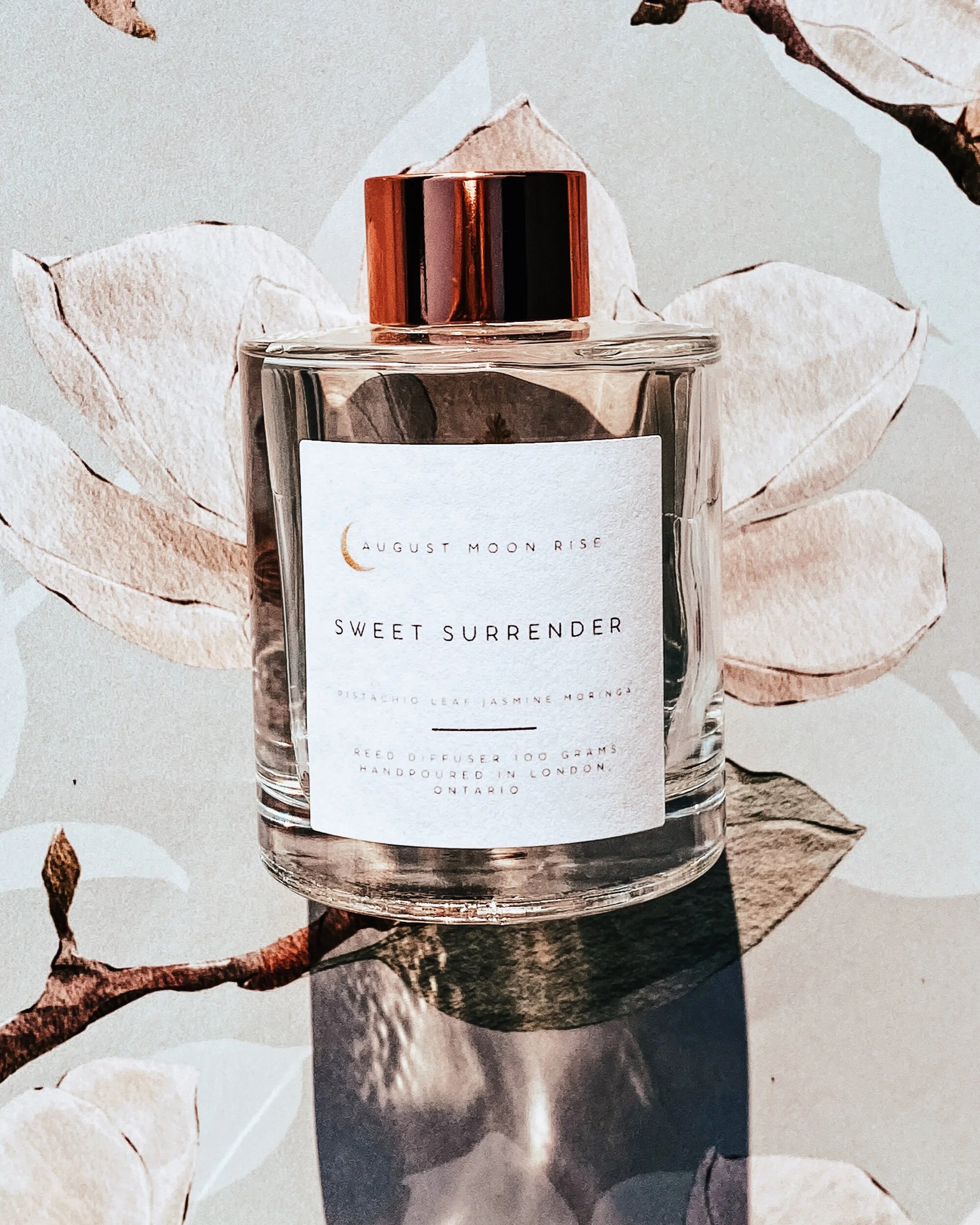
At August Moon Rise, we have crafted our jasmine candles to embody the enchanting allure of this cherished flower. From the moment you light the wood wick, the ethereal fragrance delicately fills the air, transforming your surroundings into a serene oasis. The rich, floral notes of jasmine permeate your space, transporting you to a place of pure contentment. The result is a candle that evokes the sensation of strolling through a moonlit garden, where jasmine blooms under the starry night sky. Its intoxicating presence encourages relaxation, relieves stress, and promotes a deep sense of calm.
August Moon Rise values sustainability and prioritizes eco-friendly options. Each jasmine candle is made from all-natural soy wax, ensuring a clean burn. It is our belief that your well-being and the well-being of our planet go hand in hand. Whether you seek solace after a long day, wish to create a romantic atmosphere, or desire to enhance a yoga or meditation practice, our jasmine candles are the perfect accompaniment. The soothing properties of jasmine combined with the warm glow of candlelight offer a sanctuary for your senses, a respite from the chaos of daily life.
Indulge yourself in the exquisite fragrance of tranquility with our jasmine candles. Allow the essence of jasmine to transport you to a place of serenity, where worries fade away, and relaxation takes center stage.