how to bring nature into your space
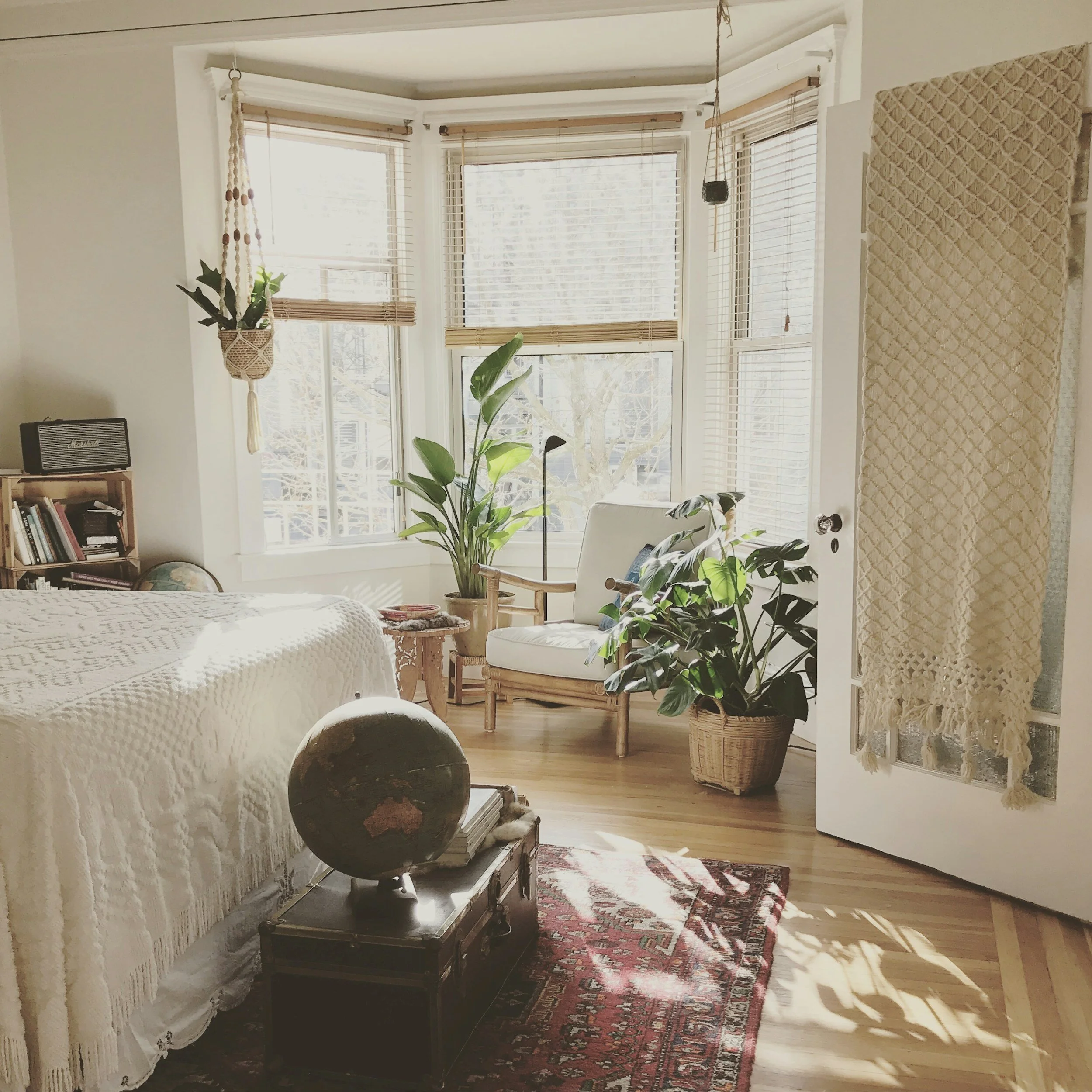
Being in nature is good for our mental health. But what if we can bring a bit more nature into our homes. Would it make a difference?
Biophilia, a concept coined by renowned biologist E.O. Wilson, is the inherent human inclination to seek connection with nature. Biophilic design harnesses this innate human need and aims to create spaces that evoke calmness, promote well-being, and foster a stronger connection to the natural world. Biophilic design acknowledges our inherent need for a connection to nature and creates spaces that nourish our physical and mental well-being. By incorporating elements of nature into our homes and offices, biophilic design offers a host of benefits.
At its core, biophilic design recognizes that our well-being is deeply intertwined with nature and that bringing elements of nature into our built environments can have a transformative impact on our lives. Whether it's through the use of natural materials, biophilic patterns (spheres, spirals, branches, tilings, cracks etc) biophilic design seeks to reconnect people with nature by emulating its shapes, textures, and colors. Biophilic patterns also embrace the use of natural materials and textures. Incorporating wood, stone, and other organic materials into building elements and furnishings creates an authentic connection with the outdoors. Not only do these materials add visual warmth and richness to the space, but they also promote a sense of groundedness and comfort.
Engaging with nature in our built environments enhances creativity, cognition, and overall well-being. .By integrating elements such as plants, natural light, and water features, biophilic patterns enable spaces to mimic the serenity and vitality found in the environment. This approach not only satisfies our innate longing for nature but also improves our physical and mental well-being.
Fire and Biophilic Design
Fire has captivated us since the beginning of civilization. The flickering flames have been a source of comfort, gathering, and storytelling. Incorporating fire into biophilic spaces taps into our primal connection to this element, evoking feelings of mystery, warmth, and serenity. Fireplaces, candles, or even simulated flames in modern fire features create a mesmerizing focal point, drawing people closer and fostering a sense of tranquility amidst the flames' gentle dance.
The crackling sound of burning wood (and our wood wicks) adds an auditory dimension, creating a harmonizing ambiance that connects us to our primitive past. The subtle scent of burning wood can evoke memories, triggering a sense of nostalgia and grounding within the present moment.
Fire is a powerful symbol of transformation and renewal, representing the cyclical nature of life. Incorporating fire into our homes reminds us of the ever-changing seasons, the process of growth and regeneration, and our ability to adapt and evolve. This symbolic representation of natural cycles further strengthens the connection we have with the environment and fosters a sense of harmony between human constructs and the broader natural world.
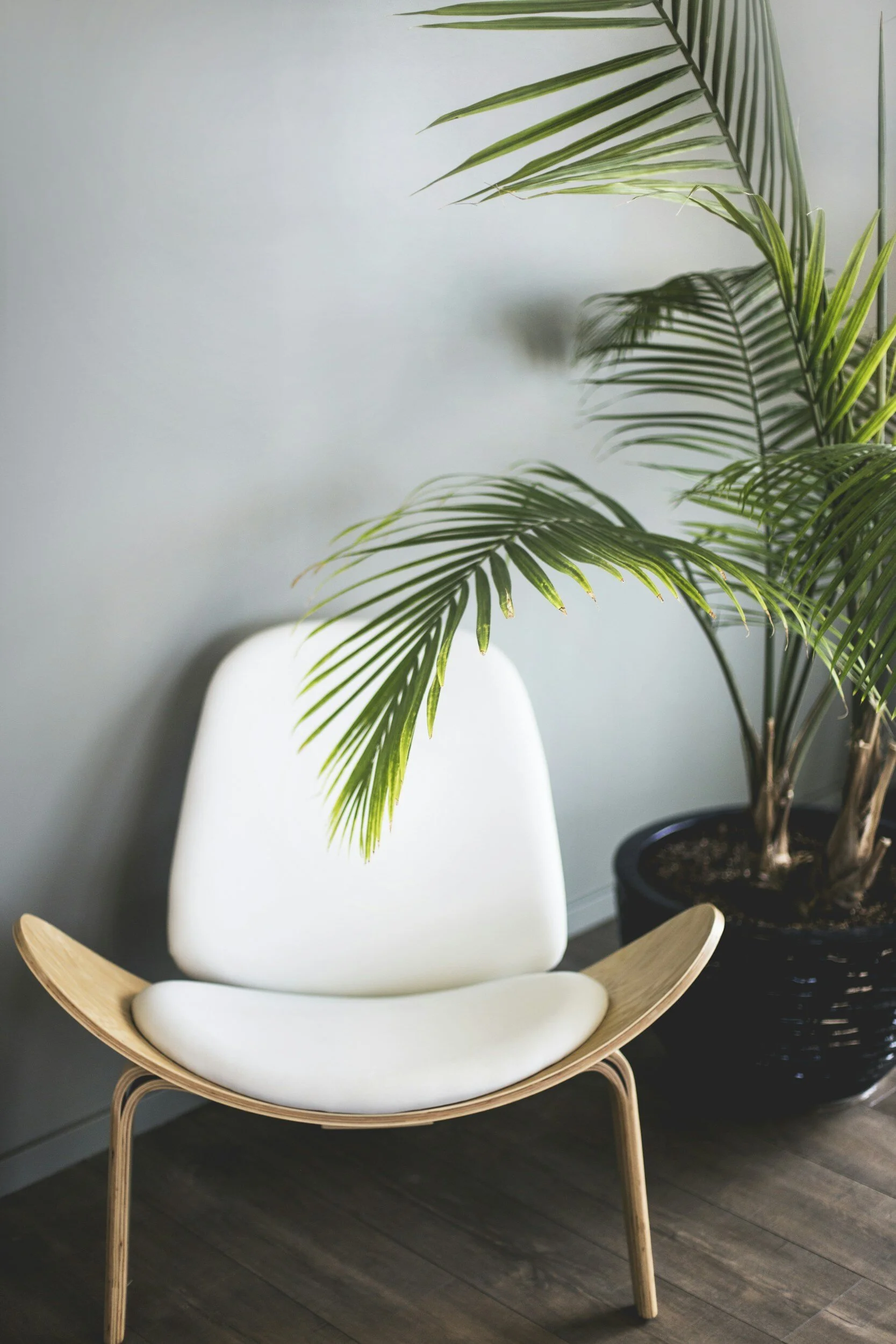
How we bring biophilic patterns into your space:
Nature-Inspired Shapes and Forms:
We incorporate organic shapes, curves, and patterns into our designs, mimicking those found in nature. Our pillar candles and reed diffusers are designed by shapes in nature. Rainbows, fractals, bubbles, spheres, branches and honeycombs all utilize forms to evoke a sense of harmony and balance, similar to what is observed in natural environments.
Dynamic and Diffused Lighting:
Natural lighting plays a crucial role in creating a biophilic environment. Soft, diffused lighting (such as candle light), can simulate the ever-changing light patterns found in nature. Access to natural light has been associated with improved mental focus, productivity, and even accelerated healing.
Biophilic patterns in design are a celebration of our innate connection to nature. As we strive to create spaces that elevate our well-being and bring us closer to the natural world, biophilic patterns offers a myriad of benefits to both individuals and the environment.