creating the perfect burn
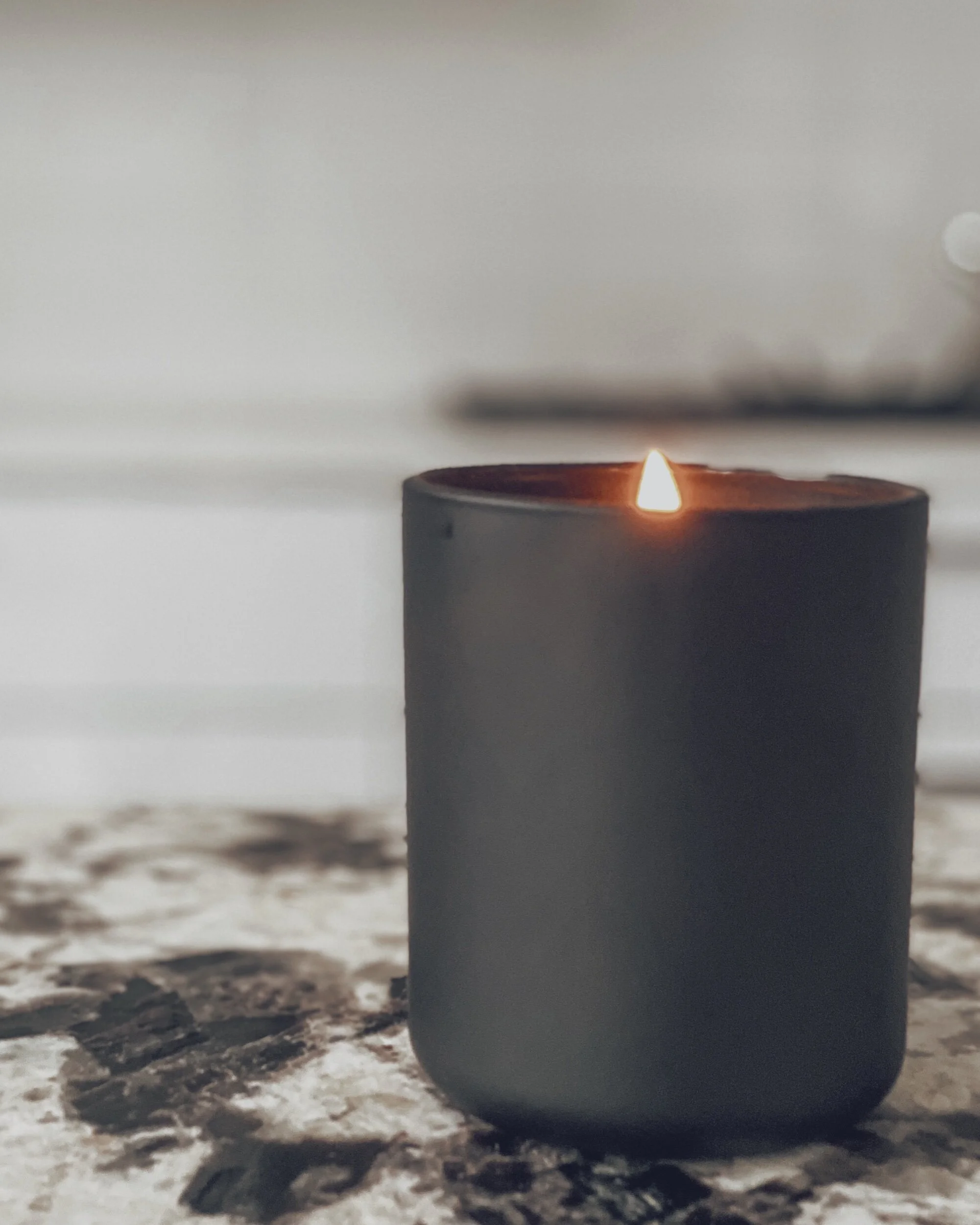
You have a brand new candle and all you want to do it enjoy it’s glow. But it’s not working and you want to know why. Let’s dive into the realm of candle troubles to get a deeper understanding.
Candle tunneling
Candle lovers sometimes bump up against a frustrating phenomenon known as "candle tunneling," a phenomenon that happens even the most well-crafted candles. The frustrating sight of a beautifully designed candle reduced to a puddle of wax and tiny flame can leave anyone disappointed. So why exactly does this happen, and what can you do to prevent it?
Candle tunneling is a hole that forms down the center of a candle while leaving untouched walls of unburnt wax. This tunneling effect not only robs us of their visual pleasure but also interferes with an optimal, even burn.
Typically, the primary culprit behind candle tunneling is improper candle usage. To achieve a perfect burn, the initial lighting of a candle must allow the entire top layer to melt. Because wax has memory, burning to the edge ensures that the wax burns evenly across the diameter, rather than forming a narrow channel (aka tunnel). Ignoring this crucial step can lead to the formation of a deep tunnel, preventing the wax on the sides from liquefying and burning, leaving your candle unusable.
Another factor that significantly contributes to candle tunneling is the lack of a consistent burn time (remember when I said wax has memory…). Impatience can be the enemy of a beautifully burning candle. Inadequate burning time, especially during the first few uses, can cause tunneling as the unburnt wax on the edges stay put. It’s important to allow the candle to burn for at least one hour per inch of its diameter ( 1-2 hours typically but no more than 4 hours at a time) so that the entire top layer melts evenly and solidifies a proper candle memory.
Fortunately, there are some things you can do to prevent or minimize tunneling!
Trim your wicks!
Regularly trimming the wick to a length of approximately 3/16 to 1/4 inch before each use ensures a controlled and even burn, reducing the risk of tunnel formation. Cut off the black charred part of the wood wick before each burn (or at least 2 hours after you’ve extinguished the flame)
Use a candle snuffer instead of blowing out your candle.
When we extinguish a candle by blowing it out, we often get the inevitable issue of scattered wax, unsettling smoke, and lingering odour. Candle snuffers resolve this issue. By extinguishing the flame in a controlled manner, snuffers prevent wax from splattering and dispersing around the candle, preventing unwelcome residue and maintaining a clean environment.
Safety is another factor. Unlike blowing out the flame forcefully, snuffers offer a safer, more controlled method of extinguishing candles. With their long handles, they allow us to reach into deep candle holders and lanterns without fear of getting burned, providing a reliable safety measure.
Lastly, candle snuffers help minimize risk by preventing potential accidents caused by gusts of air near open flames. Curtains brushing against candles or sparks landing on flammable surfaces are significantly reduced thanks to the using this little tool. It offers peace of mind and adds an extra layer of precaution in any candlelit session.
Candle Sweating
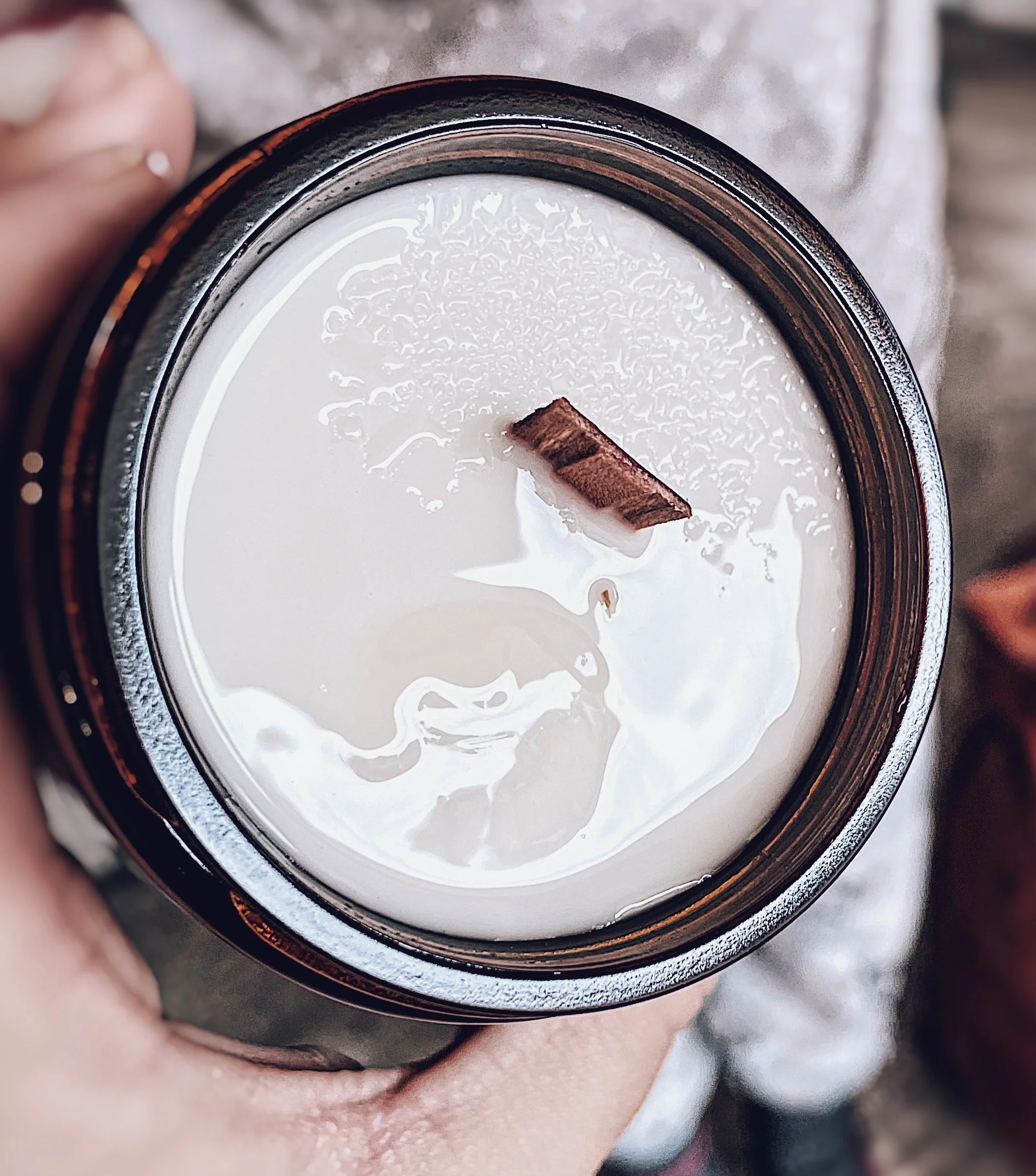
When candles “sweat” it is primarily a result of temperature differences between the wax and the surrounding environment. As candles burn, the heat from the flame begins to melt the wax, causing it to transform from a solid to a liquid. This molten wax then rises up the wick, where it gets vaporized by the heat of the flame, releasing the pleasant fragrance often associated with scented candles. Because science.
As the vaporized wax interacts with the cooler air surrounding the candle, it starts to cool down and condense. This condensed wax, now in a liquid state, collects on the surface of the candle and creates the appearance of sweating. Think of it like the way moisture condenses on a cold glass of water on a hot summer day.
Candle sweat can be more noticeable depending on different factors. If the room is particularly cold, the temperature gradient between the melted wax and the environment will be more significant, leading to a more pronounced sweating effect. Similarly, a larger flame or a candle made with softer wax (soy) can generate more heat, resulting in increased sweating (trim your wicks).
Also, what’s used when manufacturing candles can influence their sweating tendencies. Some candle waxes, such as paraffin, have a higher oil content (because it’s made from petroleum products), making them more likely to sweat. On the other hand, candles made from natural sources like soy tend to sweat less due to their composition.
While your head might go straight to the quality or purity of the materials used, it is usually a harmless occurrence. It is important to note that sweating does not necessarily impact the performance or lifespan of the candle. In fact, it can be seen as an indication that the candle is functioning as intended, efficiently releasing its fragrance and providing a comforting glow.
To manage the sweating:
keep candles away from direct drafts or sources of cold air, as this can exacerbate the temperature difference and intensify sweating.
don’t place your candles directly in the sun or leave them in the car. A sudden change in temperature either way can produce sweating.
If you are ready to transform the ambiance of your space into a realm of tranquility, relaxation, and pure indulgence head on over to our online shop
Captivating Scents to Enchant Your Senses
We believe that scented candles are more than just wax and wick—it's an art form that can transport or support your mood.
Unleashing the Power of 100% Natural Ingredients
Our candles are made using 100% natural soy wax. This ensures a clean and environmentally friendly burn, free from toxins and harmful substances. Our premium fragrance oils are carefully selected to ensure a long-lasting scent experience.